
Why smart home design starts with how you actually live day to day
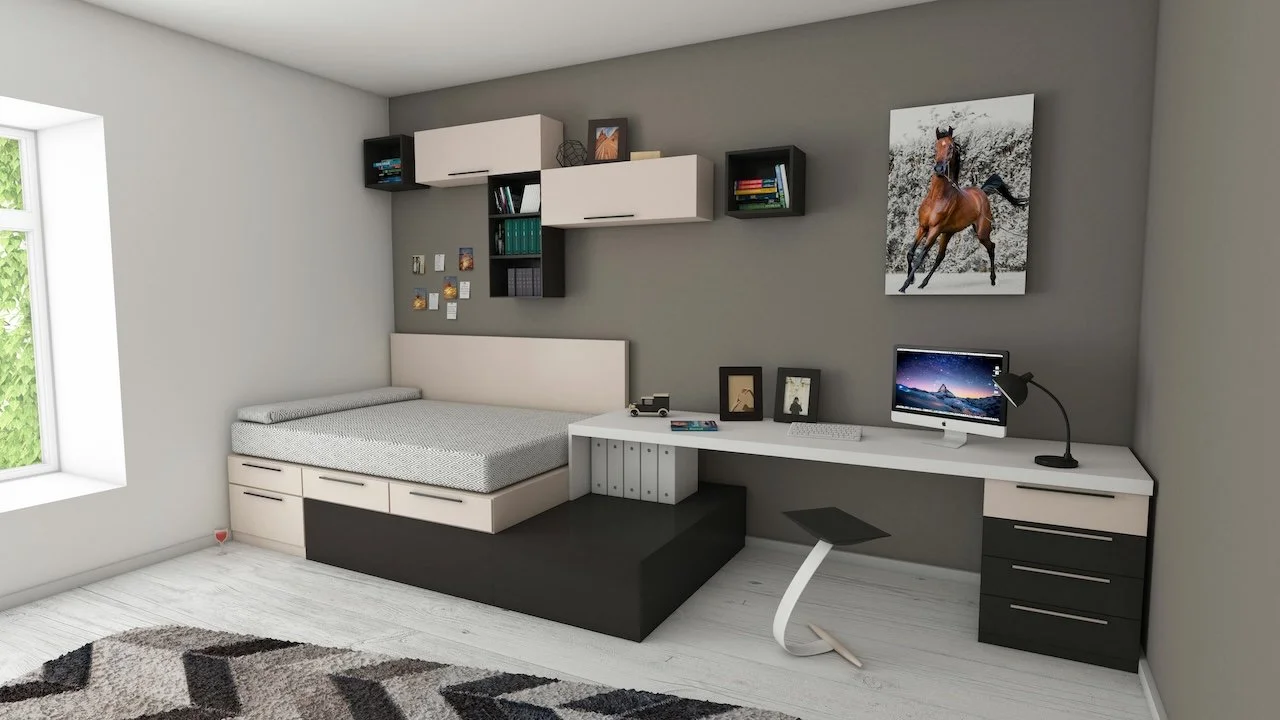
When it comes to building or renovating a home, it can be tempting to get caught up in trends — sleek facades, dramatic features, statement kitchens and stylish bathrooms. While these elements are important, the true heart of a great home design is how the space supports everyday life. Thinking about how you live day to day — rather than how you wish you lived — leads to smarter choices that make a home work beautifully long after move-in day.
Designing around real routines
Every family has its own rhythm. Morning routines during school weeks, quiet evenings, weekend gatherings and even weekday work-from-home setups shape the way a home is used. A kitchen that looks stunning in photos might feel cramped during breakfast rush, while a living area with awkward traffic flow can interrupt family time.
Smart home design begins by observing these patterns. It asks questions like:
Where do we spend most of our time?
What tasks happen in this space daily?
How do we move through the house as a family?
By answering these, you avoid layouts that prioritise form over function.
Flexibility for changing needs
Homes aren’t static. Today’s nursery could be tomorrow’s study, and that quiet reading nook might become a teen’s gaming zone. The best home designs in Melbourne account for this evolution. They provide flexible spaces that adapt as needs change, without costly retrofits.
Flexible design might include multipurpose rooms, configurable storage and open spaces that can be easily redefined. When a home can grow with your life rather than against it, the daily experience feels more intuitive and less restrictive.
Making practical needs a design priority
Beautiful finishes and architectural features matter — but only when they complement practical use. Families often prioritise:
Easy access storage near entry points
Clear sight-lines between living spaces
Zones that support work, study and relaxation
Durable surfaces in high-traffic areas
Instead of shoehorning everyday needs into a pre-set layout, smart design puts these requirements at the front of the planning process. The result is a home that feels effortless and efficient from day one.
Considering light, flow and connection
Day to day living is shaped by more than just walls and rooms. Light, flow and connection influence how a space feels. North-facing windows can brighten a living area, while thoughtful hallways minimise wasted space. Seamless transitions between indoor and outdoor areas make backyard BBQs more enjoyable and create a sense of openness.
Smart design considers these elements as part of the whole, not as afterthoughts.
Reducing friction in daily life
A well-designed home reduces friction in everyday tasks. Think about:
Laundry areas near bedrooms
Mudrooms close to entrances
Kitchen prep space oriented toward dining areas
Bathrooms positioned for both guests and family use
These choices don’t just look good on paper — they streamline routines and reduce small frustrations that add up over time.
Designing for long-term satisfaction
In the end, smart home design is about long-term satisfaction. Homes that reflect how you live — not just how you hope to live — feel more natural, comfortable and supportive. They evolve with your family, respect your routines and enhance the way you experience each day.
When planning a home that truly feels like your own, start with how you actually live. From there, smart design follows naturally — creating spaces that not only inspire, but function beautifully for years to come.