
Retail POS Analytics: How to Make Data-Driven Decisions
The success of any retail business depends heavily on sales volume. Each interaction with a customer matters, especially when they decide to buy. Any failures or errors during this final stage may cause them to leave without making a purchase.
The Point of Sale (POS) system plays a crucial role in ensuring a smooth customer experience, but it also goes beyond that. This must-have retail infrastructure also provides the seller with meaningful details about the customer behavior and sales.
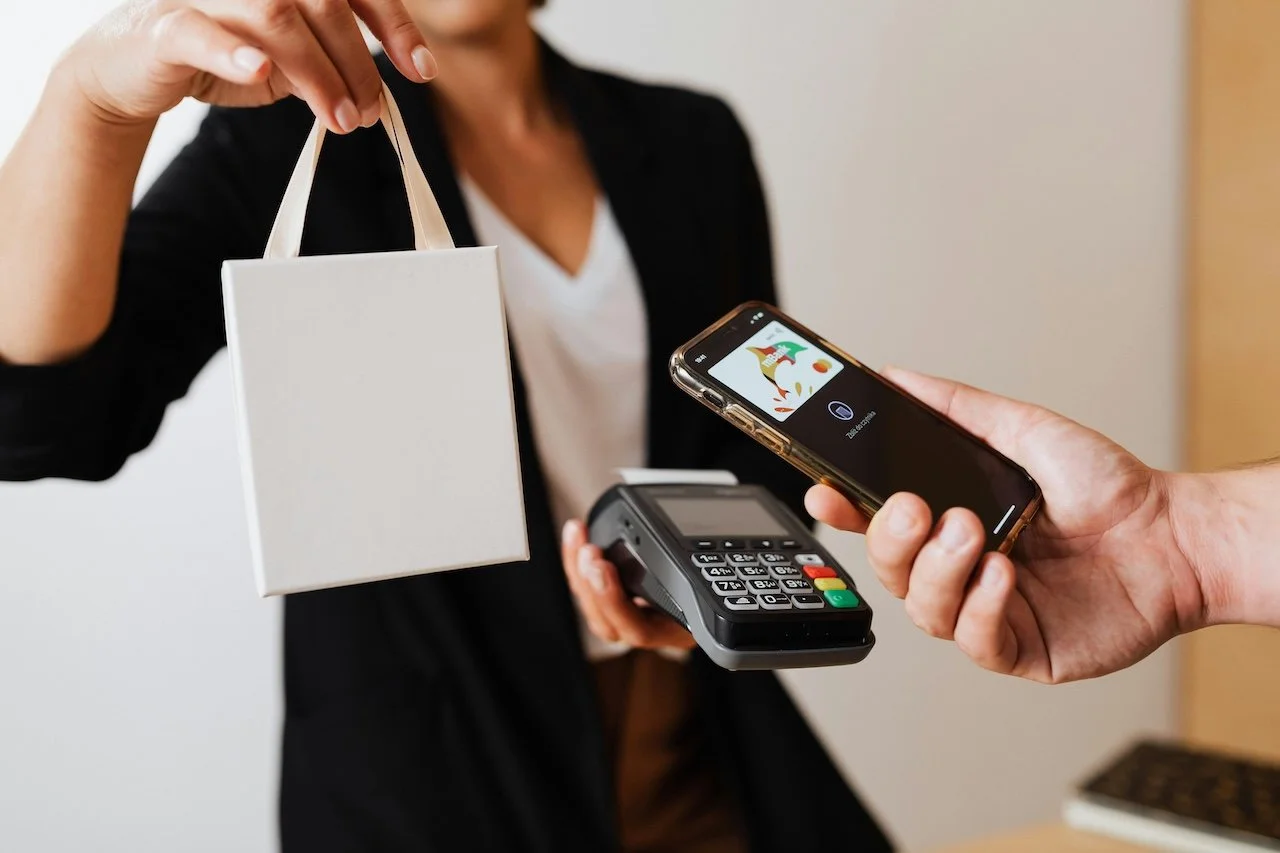
If a business owner thoroughly analyzes this information, they can expand the scope of business opportunities and ensure more effective decision-making. In this article, you will learn about how to leverage retail POS analytics for data-driven and more effective business decisions.
Why Real-Time Analytics Is Important?
Today's retail environment is growing rapidly; digital solutions and the absence of borders are driving this growth. When business owners leverage tech advancements correctly, they obtain more accurate data about their business and manage it more effectively.
Relying on real-time data is crucial in this instance. The more accurate data you have, the better decisions you can make. This approach directly affects your revenues.
Modern POS retail analytics encompasses multiple processes for collecting and analyzing sales data. Any advanced Retail POS system provides information on general sales volume, customer requests and preferences, inventory levels, and employee performance.
Based on this information, a business owner may assess the effectiveness of their company's processes; understand customer behavior, and its trends. In the latter instance, a business owner may even notice patterns, addressing which can become a competitive advantage for a period of time.
Getting this information ASAP is much better than waiting till the end of the month, isn't it? Advanced POS systems allow business owners to collect the data they need today in the morning and make decisions that will increase sales in the evening or even earlier.
Whether a business owner notices issues that need to be addressed as soon as possible or simply wants to leverage emerging trends as they appear, getting real-time, accurate data is crucial. In between, there is a simple, must-have goal of ensuring excellent customer service. When a business owner relies on real-time inventory analytics, they can manage inventory more effectively, fulfilling the most common customer needs.
Use Cases: How Real-Time POS Analytics Empowers Retailers
Once the advanced POS system is integrated into the routine business processes, it can significantly bolster them. Here are several examples of how this system can enhance retailers' operations and sales.
1. Customer Behavior and Loyalty Tracking
Accurate, real-time data on customers' purchasing behavior is one of the most valuable sources of information for retailers. Based on it, retailers may tailor their offerings to the customers' needs and increase sales. Information about customer behavior includes their preferences, visit frequency, and purchase history.
Beyond customer satisfaction, retailers may fully personalize their marketing campaigns and develop custom loyalty programs. For example, when a customer frequently buys or searches for a specific product, a retailer may offer the most suitable products in this category and encourage sales by suggesting discounts.
2. Inventory Management
Customers' preferences define the volume and scope of products in the retailer's inventory. It is a cornerstone of any retail business, allowing a business owner to balance their inventory.
This balance aims to avoid overstocking or out-of-stock conditions while ensuring a balanced allocation of financial resources to purchasing the most trendy categories of goods.
3. Sales Metrics and Reporting
Advanced POS systems generate sales reports as requested. It adds much convenience in the decision-making process. Detailed sales reports that can be shown daily, weekly, or monthly can not only serve as a credible basis for more informed decision-making but also provide a clear picture of performance.
They can also help to track the effectiveness of decisions in real time. Among other things, such reports illustrate major trends in customer behavior, best-selling and underperforming products, peak sales periods, and emerging trends.
4. Employee Performance
Beyond tracking sales and customer behavior, advanced POS systems also allow business owners to track employees' performance. Retailers may easily see who makes the most sales and who underperforms. Business owners may also apply incentives or fines, or further educate some employees based on this information.
Keeping the performance metrics in focus is always helpful for effective, hassle-free operations during peak sales periods. Some highly performing employees may even be assigned leadership and managerial roles based on real-world, credible data from the POS system.
5. Streamlined Financial Management
Business is never limited to personal aspirations, customer happiness, and successful branding. Any business, especially retail, is centered around making money.
With the advanced POS systems, retailers can track the fruits of their previous work more accurately. They can assess their revenues, expenses, and the overall profitability at any time.
This information is always indicated in the reports provided by the POS system. They allow retailers to flag discrepancies, products with the highest and lowest margins, taxes, etc. Based on this data, business owners may also adjust their pricing policies to navigate the changing market conditions.
How Retail POS Analytics Encourages More Effective Decisions
POS analytics is not limited to data collection. It goes above and beyond, ensuring more effective, data-driven solutions. Here are several examples that can be helpful for any retail business, especially a growing and scaling one:
Optimising product assortment. Based on real-time information about the sales and customer preferences, retailers may flexibly adjust their inventories. They may add or remove items based on their popularity and sales volume.
Launching targeted marketing campaigns. A POS system can seamlessly identify the most meaningful trends in customer behavior and tailor marketing efforts accordingly. This effort entails sending more personalized emails, implementing effective promotional campaigns, offering favorable loyalty perks, etc. In conjunction, these measures may ensure a higher retention rate.
Identifying and addressing weak points. Any retail business is hardly possible without failures, even occasional ones. Advanced POS systems allow retailers to analyze first-hand data on customer feedback, product returns, and potential sales drops. This information can significantly support the following data-driven, effective solutions to address issues as they arise.
Bottom Line
In the digital era, retail businesses can leverage limitless opportunities, including for global sales. Tracking the sales process and managing the overall retail business effectively is seamless with an advanced POS system.
This powerful tool can help you navigate the world of opportunities, access real-time, accurate data whenever you need it, and make more effective decisions that foster your business growth sooner than you may expect. Leverage the advancements of the digital era by using top-notch software solutions!