
The Secret to Making a Small Backyard Feel Curated, Not Cramped
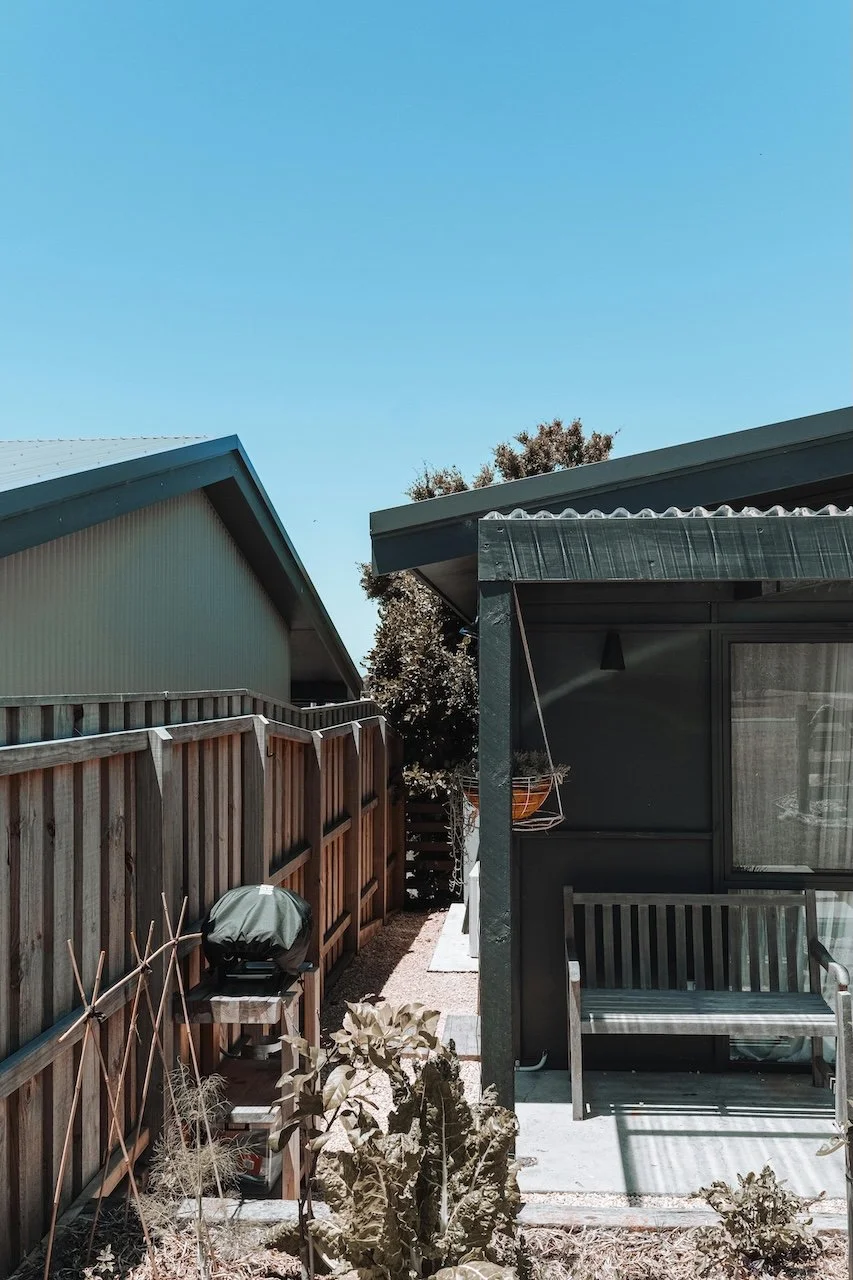
A small backyard can be one of the most rewarding spaces to design. It asks more of you than a sprawling garden ever will, but that is exactly where the magic tends to happen. When every piece has to earn its place, the result can feel more thoughtful, more personal, and far more inviting. A compact outdoor area does not need to feel limited. With the right choices, it can feel refined, intentional, and beautifully put together.
One of the biggest mistakes people make with a smaller backyard is assuming that “small” means they should either squeeze in as much as possible or keep everything so minimal that the space ends up feeling plain. The sweet spot sits somewhere in the middle. A curated backyard feels designed with purpose. A cramped one feels like every idea was forced into the same footprint.
That is why furniture selection matters so much from the beginning. Choosing pieces with the right scale, shape, and visual weight can completely shift how the space feels.
Something as simple as outdoor round dining tables can make a smaller backyard feel more fluid and welcoming, because curved edges soften the layout and improve movement through the area. In tighter outdoor zones, that kind of subtle decision can make the whole setting feel more open and composed.
Start With a Clear Purpose
Before you think about styling, planting, or accessories, work out what the backyard is actually meant to do. A curated space is always guided by purpose. Is it somewhere to have coffee in the morning? Host casual dinners? Read in the sun? Enjoy a quiet drink in the evening? Perhaps it needs to do a little of everything, but there should still be one main function shaping the layout.
When people skip this step, they often fill the backyard with conflicting elements. A dining set, a lounge chair, oversized pots, a fire pit, extra stools, decorative screens, and a storage bench may all look appealing individually, but together they can make the space feel visually crowded. In a small backyard, clarity beats quantity every time.
Once the main purpose is established, every other choice becomes easier. You can decide what deserves space and what does not. That creates the foundation for a backyard that feels edited rather than overworked.
Think in Zones, Even If There Is Only One
A small backyard may not have room for multiple full zones, but it should still feel organised. Even one compact setting can be subtly divided through materials, planting, lighting, or placement. This gives the eye a sense of order, which is one of the key ingredients in making a space feel curated.
For example, a dining area can be defined by an outdoor rug, a cluster of planters, or a change in surface underfoot. A bench tucked against a wall with a lantern and cushion can become its own quiet corner without demanding much space at all. The point is not to force extra functions into the yard. It is to make the existing layout feel considered.
When the eye can read the space easily, it immediately feels calmer. That calmness translates into a sense of style and confidence.
Choose Fewer Pieces With More Presence
Small spaces suffer when they are filled with lots of little things. Tiny pots, fiddly décor, multiple occasional tables, and scattered accessories often make a backyard feel busier than it really is. A more effective approach is to choose fewer elements, but make them count.
This might mean one well-shaped dining table instead of several mismatched surfaces. It could mean two generous planters instead of six smaller ones. It may be one striking outdoor chair with a sculptural silhouette rather than a collection of random seating options.
Curated spaces tend to have a clear visual rhythm. They do not try to shout from every corner. Each item has breathing room, and that breathing room is part of what makes the design feel elevated.
Pay Attention to Shape, Not Just Size
When people furnish a small backyard, they often focus only on measurements. While dimensions matter, shape matters just as much. Hard corners and bulky lines can interrupt flow and make a compact footprint feel awkward. Softer silhouettes often create a more relaxed and natural layout.
Round and oval forms are particularly helpful in smaller outdoor areas because they allow movement around the furniture more easily. They also help break up the boxiness that many small backyards naturally have. If fencing, paving, and walls are already creating strong lines, introducing curves can make the whole area feel more balanced.
This is one of those subtle design moves that people feel before they consciously notice it. The backyard just seems easier to be in.
Keep the Palette Tight
A curated backyard usually has a disciplined colour story. That does not mean it needs to be bland or colourless. It simply means the palette should feel connected. Too many finishes, tones, or competing colours can make a small area feel fragmented.
Natural timbers, soft charcoals, warm neutrals, olive greens, sandy stone tones, and muted black accents often work beautifully outdoors because they sit comfortably with greenery and daylight. Once you choose a base palette, repeat it across furniture, pots, cushions, and decorative touches.
This repetition creates cohesion, and cohesion creates that polished, intentional feeling people often describe as designer-like. In a small backyard, consistency does a lot of heavy lifting.
Use Greenery With Restraint and Structure
Plants bring life to any backyard, but in a compact space they need to be used strategically. Too many different plant types, pot styles, or placement points can quickly make the yard feel cluttered. Instead of treating greenery as filler, use it like a design tool.
Layering can work brilliantly, but it should still feel controlled. You might combine one taller plant for height, one medium shrub for softness, and one trailing variety for movement. Repeating the same planter style can also help the space feel more unified.
Vertical planting is especially useful in smaller backyards because it draws the eye upward and frees up precious floor space. Climbing plants, wall-mounted greenery, or slim planter stands can all add lushness without making the area feel crowded at ground level.
The goal is not to create a jungle unless that is a very deliberate and well-managed aesthetic. More often, the most beautiful small backyards are the ones where plants frame the space rather than swallow it.
Let Negative Space Do Its Job
One of the most underrated design elements in any small outdoor area is empty space. People often feel the urge to fill every gap, but negative space is what allows the good pieces to stand out. It also gives the backyard a sense of ease.
A walkway does not need to be lined with accessories. A corner does not always need a planter. A fence does not need every inch decorated. Sometimes the most effective choice is to stop before the space feels “finished” in the conventional sense. A curated backyard often looks slightly restrained, and that restraint is exactly what keeps it elegant.
This can be difficult, because it is tempting to keep adding. But editing is where style becomes visible.
Make Storage Invisible or Beautiful
Clutter is often the real reason a small backyard feels cramped. Gardening tools, extra cushions, kids’ toys, pet items, and miscellaneous outdoor gear can undo even the best design choices if they are always on display.
Good storage solves this quickly. Built-in bench seating with hidden storage, slim deck boxes, wall hooks, or weather-resistant cabinetry can all help maintain order. If storage pieces are visible, they should still feel aligned with the rest of the design. The most successful small backyards are not just styled well for a photo. They function well in everyday life.
When practical items have a proper home, the space stays lighter, calmer, and more intentional.
Layer Atmosphere, Not Just Objects
A curated backyard is about more than furniture and plants. Atmosphere plays a huge role in how the space feels. In a small area, this often comes down to texture, lighting, and subtle contrast rather than piling in more objects.
Soft outdoor cushions, timber grain, woven finishes, smooth ceramics, and gentle lighting can all add depth without adding clutter. Wall lights, portable lamps, or warm string lighting used sparingly can shift the mood dramatically in the evening. Even a simple linen-look outdoor cushion or textured planter can make a space feel more complete.
The trick is to layer with intent. Every detail should contribute to the feeling of the space, not just fill visual gaps.
Design for the Experience of Moving Through It
A backyard can have beautiful pieces and still feel cramped if movement has not been considered. This is often the hidden difference between a space that feels curated and one that feels frustrating. You should be able to walk through the area comfortably, pull out a chair without obstruction, and reach different parts of the backyard without squeezing past furniture or pots.
This is why scaled layouts matter so much. It is not only about what fits on paper. It is about how the space behaves in real life. If an arrangement interrupts flow, it will always feel smaller than it actually is.
Sometimes removing just one item can improve the entire backyard. That is worth remembering whenever a space starts to feel too full.
Add Personality Through One or Two Signature Moves
A curated backyard should not feel generic. It should still reflect the people who use it. The best way to bring in personality without creating clutter is to choose one or two signature elements and let them lead.
That could be a beautifully shaped dining setting, a standout planter, a sculptural chair, a textured outdoor rug, or a bold but tasteful lighting feature. These details make the space memorable, but because they are limited, they do not overwhelm the footprint.
Small spaces benefit from confidence. A few strong choices will always do more than lots of hesitant ones.
Curated Spaces Feel Edited, Not Empty
There is a difference between making a backyard feel spacious and making it feel sparse. A curated small backyard still has warmth, texture, and identity. It simply avoids the visual noise that makes a compact area feel chaotic.
That means being selective with furnishings, thoughtful with colour, disciplined with styling, and realistic about how the space will actually be used. It also means accepting that not every outdoor trend belongs in every backyard. A smaller footprint rewards focus. It asks for decisions that are intentional rather than impulsive.
In the end, the secret is not about making the backyard look bigger than it is. It is about making it feel better than expected. When a small outdoor space is planned with purpose and edited with care, it stops feeling like a limitation and starts feeling like a beautifully resolved part of the home.