
How to Make a Rental Feel Designer Without Touching the Bones
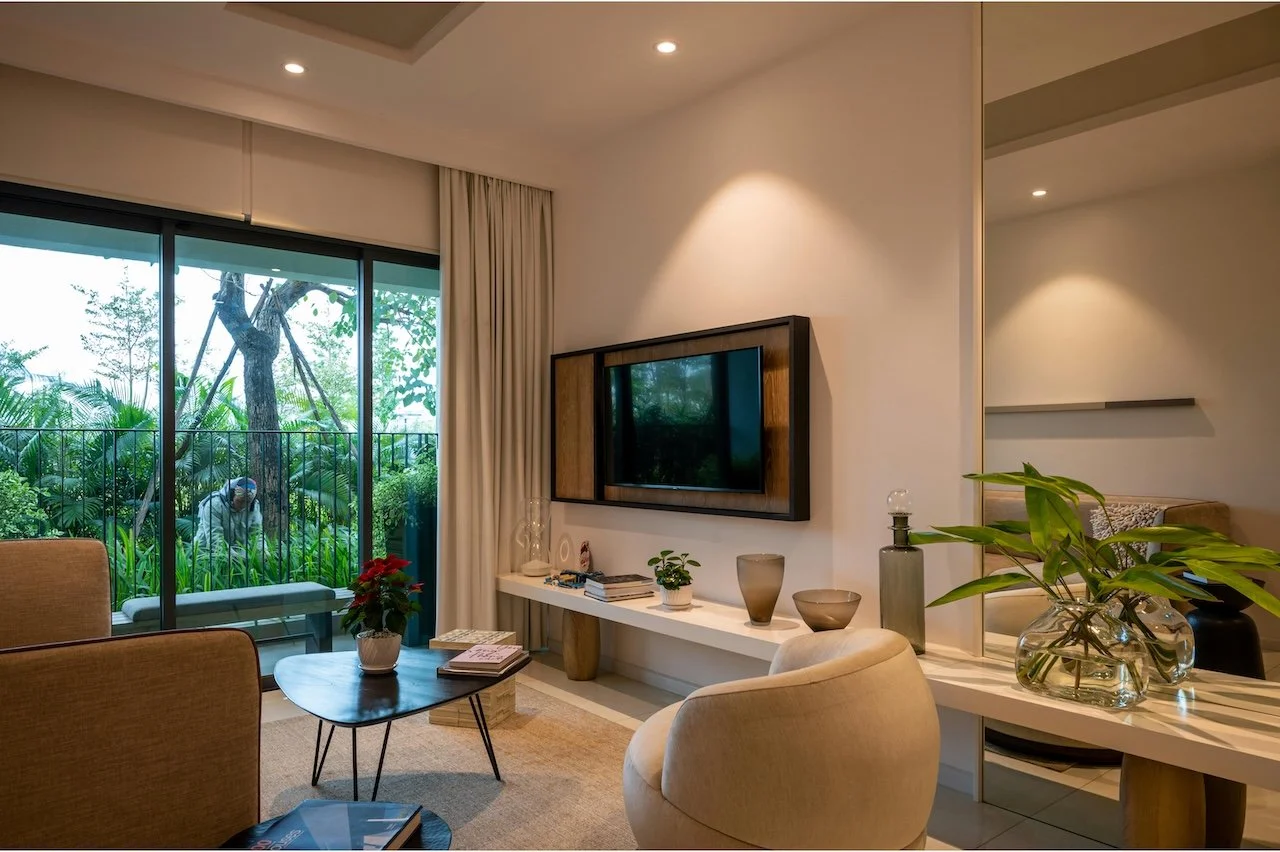
There is a particular kind of challenge that comes with renting. You want your home to feel polished, intentional and reflective of your own taste, but you are also working around existing finishes, fixed layouts and the quiet understanding that this place is not fully yours to rebuild. The good news is that great design does not always begin with demolition. In fact, some of the most memorable interiors rely less on structural change and more on styling, balance, restraint and atmosphere.
A rental can absolutely feel elevated without new flooring, a kitchen overhaul or built-in joinery. The trick is to stop looking at the things you cannot change and start focusing on the details that shape how a space looks and feels every day. Furniture, lighting, textiles, artwork and thoughtful layering can do far more heavy lifting than many people realise. Even simple upgrades like a beautifully proportioned table setting or a set of timber dining chairs can shift a room away from temporary and towards considered.
Designer spaces tend to have one thing in common: they feel deliberate. They do not look like every item was grabbed in a rush or chosen only because it was practical. They feel edited. That is the mindset renters should borrow. You are not trying to disguise the fact that you rent. You are trying to create a home that feels curated, calm and complete within the framework you already have.
Start with a Clear Point of View
One of the fastest ways to make a rental feel disjointed is to fill it with unrelated pieces and hope they somehow come together. A more designer approach starts with clarity. Before buying anything new, decide how you want the space to feel. Warm and textural? Clean and contemporary? Relaxed and coastal? Soft and minimal? Rich and moody?
Once you know the feeling you are aiming for, your choices become much easier. Instead of asking whether you like a piece on its own, ask whether it contributes to the overall mood of the room. This creates cohesion, and cohesion is one of the biggest differences between a space that feels thrown together and one that feels professionally styled.
That does not mean everything needs to match. In fact, overly matched spaces can feel flat. What you want is consistency in tone. Maybe your palette leans warm, with oak, sand, rust, olive and cream. Maybe it leans cooler, with charcoal, stone, black and muted blue. Whatever direction you choose, carrying it through the room creates confidence.
Prioritise Pieces That Instantly Lift the Room
Rentals often come with visual compromises: generic flooring, plain walls, standard blinds, dated light fittings or kitchens that are more functional than inspiring. Because of that, your movable pieces need to work harder.
Focus your budget on the items that have the biggest visual impact. A well-shaped sofa, a beautiful dining setting, a substantial rug, an oversized mirror or a striking armchair can immediately change the tone of a room. These are the hero pieces that draw attention away from less exciting background elements.
The key is to avoid filling the space with small, forgettable items. Designer homes usually rely on fewer, better pieces rather than lots of clutter. One beautiful floor lamp will do more for a corner than three cheap decorative objects. One generous rug can ground an entire living area. One thoughtfully chosen dining chair style can make a compact eating area feel elevated rather than improvised.
Use Rugs to Reframe the Architecture
If you cannot change the flooring, cover more of it. Rugs are one of the most effective tools renters have because they visually redefine the room without altering a thing.
A properly sized rug can make a living area feel larger, more luxurious and more anchored. It adds texture, softness and a sense of completion. It also helps distract from tired carpet, cold tiles or laminate that does not suit your taste. In dining areas, bedrooms and living rooms, rugs create zones and introduce character in a way that feels substantial.
The common mistake is choosing rugs that are too small. A designer look usually comes from scale. In a living room, the rug should sit comfortably under at least the front legs of the furniture. In a bedroom, it should extend beyond the bed enough to be seen and felt. A rug that is too tiny can make the whole room feel mean and temporary.
Texture also matters. Flatweaves, wool blends, natural fibres and low-pile rugs each bring a different mood. Choose what complements your overall aesthetic and works with real life, not just the photo in your head.
Lighting Changes Everything
Nothing says uninspired quite like relying entirely on harsh overhead lighting. Many rentals are let down not by their structure, but by the way they are lit. Fortunately, lighting is one of the easiest problems to solve.
A designer-feeling home almost always uses layered lighting. That means combining floor lamps, table lamps, wall-style plug-in solutions and soft ambient light instead of depending on one central fitting. This instantly makes a room feel warmer, more atmospheric and more expensive.
Lighting should not just be functional. It should shape the mood of the home. A lamp on a sideboard creates intimacy. A floor lamp beside a sofa adds height and softness. A bedside lamp makes even the simplest bedroom feel more considered. Warm globes are generally the better choice for a relaxed, liveable feel, especially in the evening.
This shift is subtle, but powerful. Even a very ordinary room can start to feel elevated when the lighting becomes intentional.
Let Textiles Do the Heavy Lifting
In a rental, textiles are not just accessories. They are design tools. Curtains, cushions, throws, bedding and upholstery all contribute to how rich or flat a home feels.
If you are stuck with basic blinds, adding full-length curtains can dramatically soften the space and create a more finished look. Hang them as high as possible and let them fall generously. This draws the eye upward and makes ceilings appear taller. It also adds that sense of softness that many rentals lack.
Bedding is another opportunity to create a more refined atmosphere. Crisp sheets, layered quilts, textured throws and properly sized pillows can make a bedroom feel styled rather than slept in. The goal is not to make everything fussy. It is to add depth.
In living spaces, cushions should feel connected to the room rather than randomly selected. Vary texture more than colour. Linen, boucle, cotton, velvet and woven finishes add richness without needing an explosion of pattern. A restrained palette with tactile contrast often feels more designer than something louder and busier.
Lean Into Art and Oversized Decor
Blank walls can make a rental feel unfinished, but the answer is not to scatter tiny pieces everywhere. If you want a more sophisticated look, think bigger.
Oversized art has a way of making a home feel intentional. It creates a focal point, brings in personality and helps a room feel designed rather than merely occupied. Large-scale framed prints, abstract pieces, photographic works or even textile wall hangings can all have impact.
This is especially useful in rentals where you cannot change cabinetry, splashbacks or paint colours. Art helps shift the conversation. It draws the eye to your style instead of the landlord’s choices.
The same goes for mirrors. A large mirror can bounce light, expand the sense of space and add polish. Leaning mirrors are particularly renter-friendly because they require less commitment while still making a strong statement.
Style Surfaces With Restraint
A designer home is not packed with decorative items on every available surface. It usually feels calmer than that. There is room around objects. There is intention in what stays visible.
When styling consoles, coffee tables, bedside tables or shelves, think in small groupings rather than single scattered pieces. A stack of books, a ceramic object, a bowl, a lamp, a tray or a branch of greenery can be enough. The aim is to create moments, not visual noise.
Negative space matters just as much as decoration. Empty space gives the eye a place to rest and makes the pieces you do choose feel more confident. This is where many rentals go wrong: people try to compensate for bland architecture by adding too much. In reality, restraint often feels more premium.
Bring Life Into the Space With Natural Elements
Even the most neutral rental can feel richer with the right organic elements. Timber, stone, linen, greenery and handmade finishes add warmth and break up the uniformity that often comes with standard rental interiors.
Plants are an obvious example, but they work because they soften hard edges and introduce movement and colour. A tall plant can bring life to an empty corner. Smaller plants can make kitchens, bathrooms and shelves feel less sterile. If you are not naturally gifted with greenery, choose a few hardy options and keep it simple.
Beyond plants, natural materials make a big difference. Timber furniture, woven baskets, linen tablecloths, ceramic vases and textured trays all add that collected, lived-in quality that designer spaces tend to have. These details bring soul into rooms that may otherwise feel generic.
Hide the Temporary Feeling With Better Storage
Nothing undermines a beautiful space faster than visible clutter. Rentals are often short on built-in storage, which means everyday items can end up on show by default. That instantly makes a home feel more transient.
The solution is to make storage part of the aesthetic. Use beautiful baskets, lidded boxes, sideboards, shelving units and storage ottomans that work hard while still contributing to the room. In bathrooms, decanting products or corralling them onto trays can make the space feel more refined. In kitchens, a few thoughtful storage pieces can reduce bench chaos and create a calmer visual experience.
When everything has a place, the room feels more intentional. Good storage does not just make a home tidier. It makes it feel settled.
Focus on the Sensory Experience, Not Just the Visual One
Designer spaces are not only about what you see. They are also about what you feel when you walk in. The best homes have atmosphere. They feel calm, warm and welcoming because attention has been paid to more than just furniture placement.
Think about scent, softness, lighting levels and flow. A candle, diffuser or subtle room spray can create identity. Soft curtains change acoustics. A rug underfoot changes how a room feels physically. Lamps in the evening create calm in a way ceiling lights rarely can.
This sensory layer is often what makes a home feel expensive, even when the budget is modest. It is also what makes a rental feel personal rather than temporary.
Accept the Limits, Then Design Around Them
Part of making a rental feel designer is resisting the urge to fight every fixed detail. Not every tile needs to be disguised. Not every dated feature needs to become a frustration. Sometimes the more effective move is to create such a strong surrounding atmosphere that the imperfections fade into the background.
A designer mindset is less about perfection and more about composition. If the room feels balanced, layered and true to your taste, people notice the whole before they notice the flaws. That is what you are aiming for.
A rental may not give you the freedom to rip things out or start from scratch, but it can still become a home with real style and presence. When you focus on mood, scale, texture, lighting and curation, you stop waiting for the “perfect” property to live beautifully. You start doing it where you are, with what you have.
And that is often where the most interesting spaces begin.