
The Hidden Cost of Equipment Downtime on Client Trust
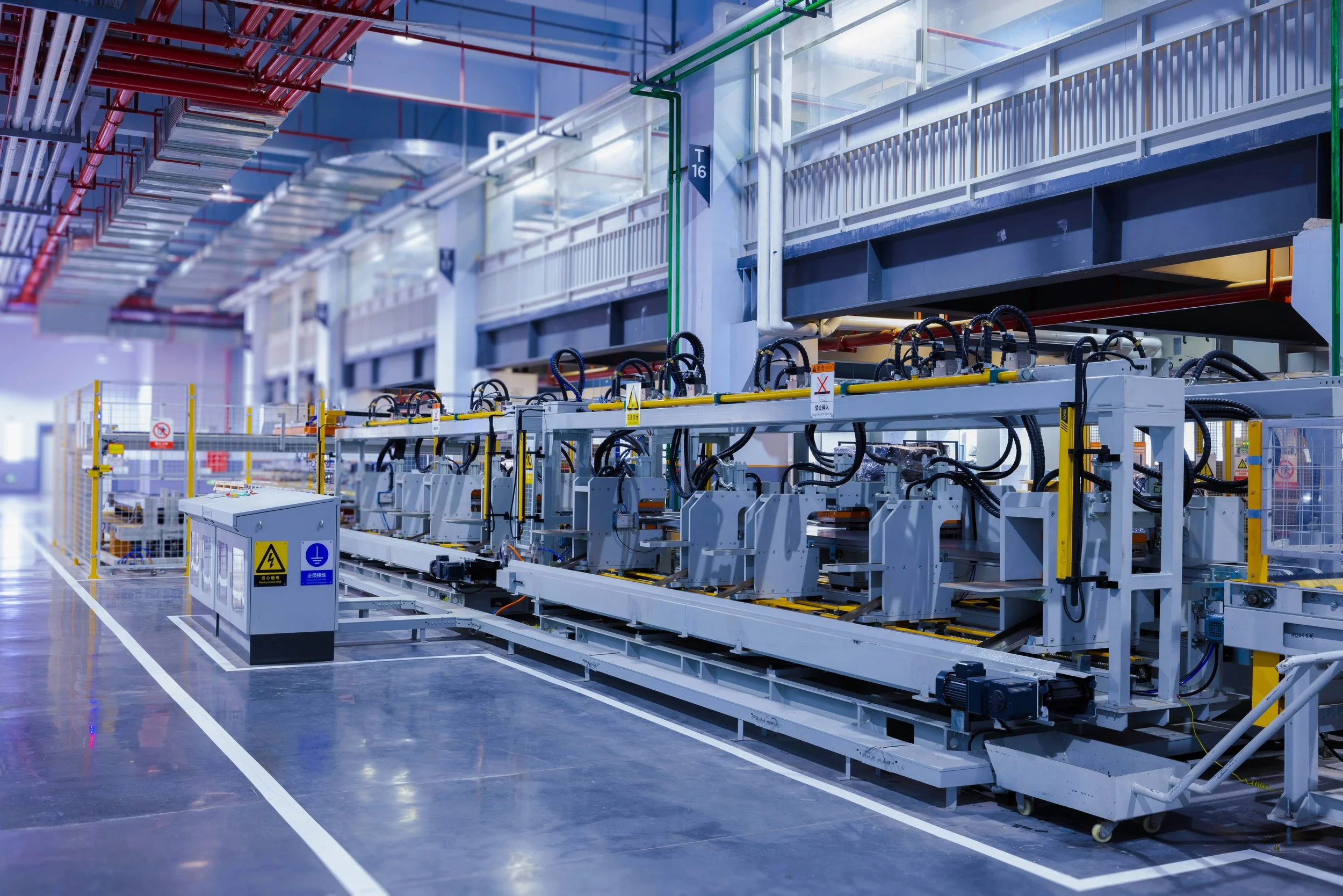
Equipment downtime can turn a manageable operational issue into a client relationship problem within hours. When machinery or fleet vehicles stop working, schedules slip and promised updates become harder to give. Clients may understand one unexpected delay, but repeated disruptions can make them question your planning, capacity and reliability.
The full cost extends beyond repairs. Lost productivity, overtime and damaged client confidence can continue affecting a business long after equipment returns to service.
Service Delays Compound Reputation Loss
Clients judge reliability through visible outcomes such as punctual arrivals, accurate completion dates and consistent communication. A stalled vehicle might delay one crew in the morning, then disrupt several connected jobs throughout the day. Each affected client experiences the problem as a failure to deliver, even when the original fault was outside your control.
Communicate as soon as a delay becomes likely. Give the client a revised timeframe, explain what happens next and nominate one person to provide updates. Avoid promising an unrealistic recovery time to soften the initial conversation. A second missed deadline will cause more reputational damage than a clear and credible estimate given early.
Financial Fallout from Stalled Machinery
Calculate downtime as a business cost, not simply a repair invoice. The total may include idle wages, replacement equipment, express freight, rescheduling and contractual penalties. The hidden costs of downtime may also include lost sales and reduced customer confidence.
Track every disruption in a central register, recording its cause, duration and operational impact. This data can reveal recurring faults and support better purchasing decisions. Businesses managing mining and industrial fleets can also maintain access to appropriate auto electrical supplies for planned fit-outs and common maintenance needs. Having approved components available can shorten delays caused by routine replacement work and parts procurement.
Invest in High-Grade Commercial Gear
Choose equipment according to workload, operating conditions and available service support. A cheaper unit may create higher lifetime costs if it needs frequent repairs or can’t handle daily commercial use. Warranty terms, spare-part availability and technician access deserve as much attention as the purchase price.
This guide to equipment investment explains why durable commercial assets often deliver greater value over time. Before purchasing, ask suppliers for expected service intervals and typical parts lead times. Record those details in your asset register. You’ll then have practical information for comparing options and setting maintenance budgets, instead of relying on the initial price alone.
Create Robust Contingency Schedules
Build recovery time into schedules for jobs that depend on a single vehicle or machine. A small buffer between bookings gives your team room to address minor faults without immediately disappointing the next client. High-risk projects may also justify access to rental equipment, a backup unit or an agreement with another qualified provider.
Set clear triggers for activating each contingency. For example, if a repair diagnosis can’t be completed within two hours, a supervisor might arrange a replacement and contact affected clients. The true cost of downtime grows when teams wait too long to respond. Written escalation points remove hesitation and help staff act consistently when pressure is high.
Position Reliability as Brand Strength
Turn operational reliability into something clients can see. Track on-time completion rates, first-visit resolution figures and average recovery times after equipment faults. These measures help managers identify weak points and give sales teams credible evidence of dependable service.
Keep claims specific and supportable. A business that completed 96 per cent of jobs on schedule during the previous quarter has a stronger message than one that simply calls itself reliable. Share relevant performance data in proposals and account reviews, then explain how preventive maintenance and backup arrangements protect delivery dates.
Clients remember how a business responds when equipment fails. A prompt update, an activated backup plan and a realistic new deadline can preserve trust even when the original schedule can’t be saved.