
Where to Invest Your Money When Starting a Food Business
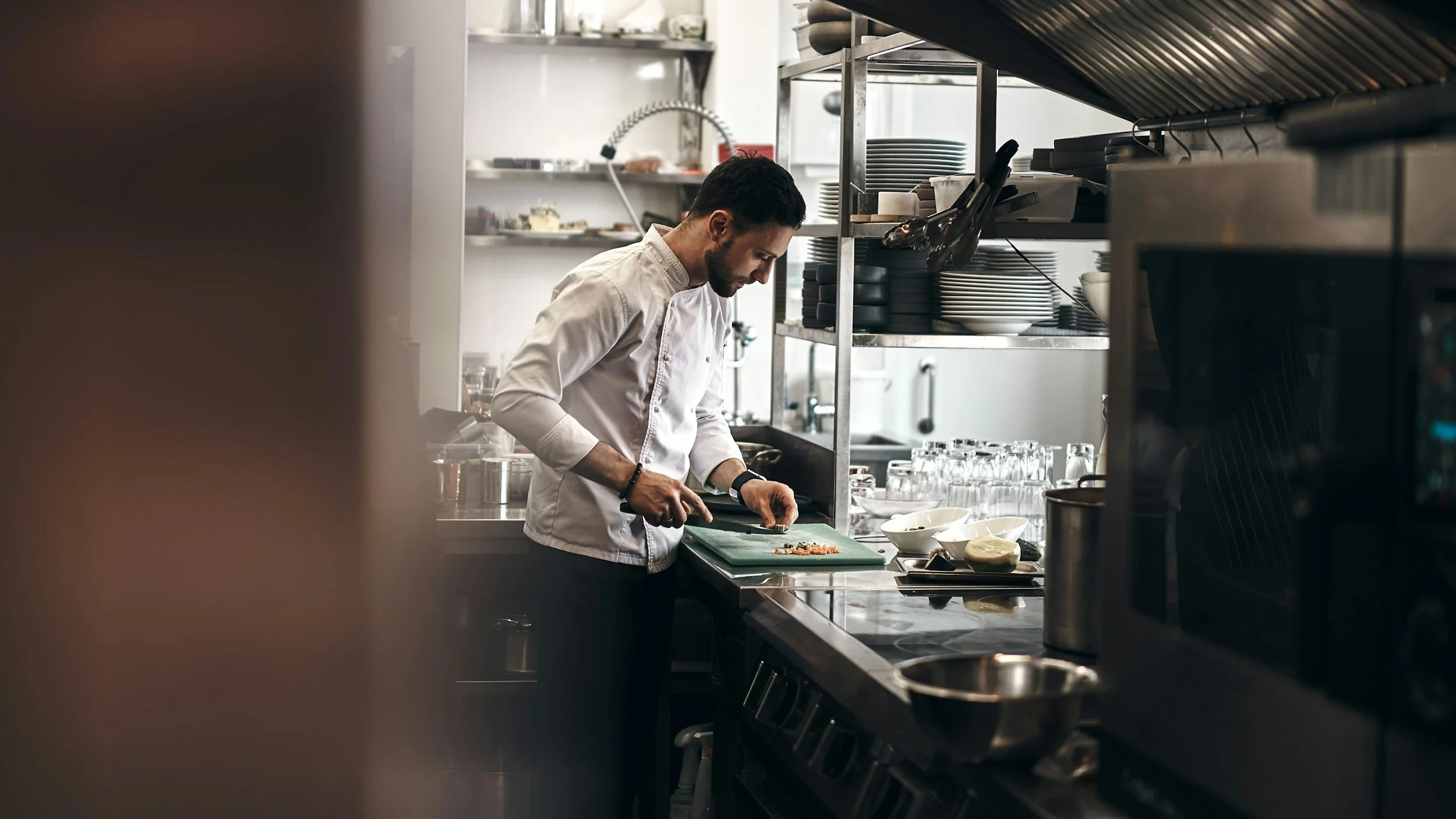
The difference between a food business that just gets by and one that truly thrives often comes down to a series of smart, strategic investments made long after the grand opening. While securing a great location and a flashy fit-out might feel like the main game, the real challenge is putting your money into areas that create lasting value, efficiency, and growth. Success in Australia's competitive food and beverage scene isn't about having the deepest pockets; it’s about making your money work smarter for you.
This means changing how you think – moving from simply covering costs to actively investing in the core parts of your business. From the equipment in your kitchen to the people on your floor and the technology that connects it all, every dollar spent should be a calculated step towards building a stronger, more profitable, and sustainable business. This guide looks at the key areas where a strategic investment can bring rewards far beyond its initial cost.
Beyond the Initial Setup Costs
When you're starting a food business, it's easy to get caught up in the obvious expenses: the rent deposit, kitchen installation, and furniture. But the most successful operators are those who plan for the less obvious costs that pop up after opening. A big part of your financial plan should be setting aside money and investing in fundamental things that protect your business from day one.
Think of professional services as an investment, not just an expense. Hiring a good accountant and a lawyer who knows hospitality can save you from expensive mistakes later on with leases, compliance, and tax structures. Likewise, comprehensive insurance isn't just a box to tick; it's a vital investment in managing risk. Beyond these, a healthy cash reserve is your most important asset. Experts often suggest having three to six months of operating expenses in the bank, which is a smart move for business growth capital. This money isn't just for emergencies; it's your opportunity fund, letting you grab a great marketing chance or get through a slow season without panicking. Looking at the landscape of small business ideas to start, it's clear that being financially prepared is a universal key to lasting success, no matter the specific concept.
Equipment That Pays for Itself
The kitchen is the heart of any food business, and it's tempting to cut corners on equipment to save money upfront. However, choosing cheaper, less reliable gear often ends up costing more in the long run. Smart operators know that quality equipment is an investment that pays for itself through efficiency, consistency, and lower ongoing costs. It's a classic example of looking at the total cost of owning something, not just its purchase price.
High-quality, energy-efficient appliances might cost more initially, but they can lead to significant savings on your utility bills every quarter. For example, modern commercial ovens are available in different configurations to suit the demands of professional kitchens, from compact options for smaller operations to larger models designed for higher-volume cooking. Choosing the right oven for your menu, available space, and expected workload can improve consistency and workflow while making better use of your kitchen's resources. Energy efficiency is another consideration, as a well-suited oven can help manage ongoing operating costs without compromising cooking performance. Plus, reliable equipment reduces the risk of expensive downtime. A broken appliance during a busy Friday night service can cost you more in lost sales and damage to your reputation than you saved on the initial purchase.
Making smart equipment investments also means thinking about labour costs. Equipment that automates repetitive tasks or simplifies processes lets your skilled chefs focus on quality and creativity, instead of mundane work. A high-performance dishwasher, for instance, can clean racks faster, needing less staff during peak times. When you crunch the numbers, you'll often find there is foodservice equipment that pays for itself through a mix of utility savings, reduced labour, and increased output, making it a crucial investment for a thriving business.
Investing in Your Team
Your staff aren't an expense; they are your biggest asset and your most important investment. In an industry known for high turnover, creating a supportive and professional environment where employees feel valued can have a huge impact on your bottom line. The costs of constantly recruiting, hiring, and training new staff are high, not to mention the hidden costs of lost productivity and inconsistent service during transitions.
Investing in your team starts with paying a fair, competitive wage. While it might seem counterintuitive to increase your payroll costs, businesses that pay above the award rate often see lower turnover, higher morale, and greater loyalty. This stability means you have a more experienced and efficient team that consistently provides a better customer experience.
Beyond wages, investing in training and development is essential. This isn't just about basic food handling and safety courses. Invest in barista training, wine education, or customer service workshops. When you give your team new skills, you not only improve what you offer but also show them you care about their professional growth. This builds a culture of excellence and loyalty that competitors find hard to match. A happy, well-trained team works harder, provides better service, and ultimately becomes your best brand ambassador.
Marketing for Sustainable Growth
Marketing isn't just about running ads or posting on social media; it’s a strategic investment in building a brand and growing a loyal customer base. Throwing money at a scattered, unfocused marketing effort is a quick way to burn through your budget. A smart investment approach focuses on sustainable, long-term growth.
First, you need to truly understand your target audience. Who are they? Where do they live? What do they care about? Spending time and money on market research will make sure your marketing dollars reach the right people with the right message. This knowledge guides everything from your menu development to your brand's tone of voice. Trying to appeal to everyone often means you appeal to no one.
Once you know your audience, you can invest in the right channels. For a local cafe, this might mean investing in local SEO to show up in "near me" searches and building a strong Google Business Profile with great reviews. For a fine-dining restaurant, it might be about building relationships with food bloggers and investing in high-quality photography. It's also vital to invest in assets you own, like a professional website and an email list. These are channels you control, unlike social media platforms where algorithm changes can drastically reduce your reach overnight. Understanding top trending business ideas can also help you tailor your marketing to tap into current consumer interests, keeping your brand relevant.
Future-Proofing Your Operations
In a fast-changing industry, standing still is the same as falling behind. Investing in technology and systems that improve efficiency and adaptability is crucial for long-term survival. This is about future-proofing your business against market shifts, changing customer expectations, and unforeseen challenges.
A modern Point of Sale (POS) system is a perfect example. A good POS does much more than just process transactions. It's a powerful business intelligence tool that can track sales data, manage inventory, handle staff rostering, and run loyalty programs. Investing in a system that provides detailed analytics helps you make data-driven decisions about your menu, pricing, and promotions, instead of relying on guesswork.
Similarly, embracing online ordering and delivery platforms is no longer optional for many food businesses. While the commission fees can be a concern, investing in an integrated system that streamlines the process can open up new revenue streams and introduce your brand to a wider audience. The key is to manage it strategically, perhaps by encouraging direct orders through your own website to keep a larger margin. Investing in sustainability, such as waste reduction programs or sourcing from local suppliers, is also a powerful way to future-proof. It not only reduces operational costs but also appeals to a growing number of ethically-minded consumers, strengthening your brand for years to come.
Investing in your food business is an ongoing process of making smart, strategic choices. Looking beyond the obvious costs and focusing on areas that deliver long-term value helps you build a resilient and profitable operation that is set up for success.