How Do You Choose a Wine Gift That Feels Personal Without Overthinking It?
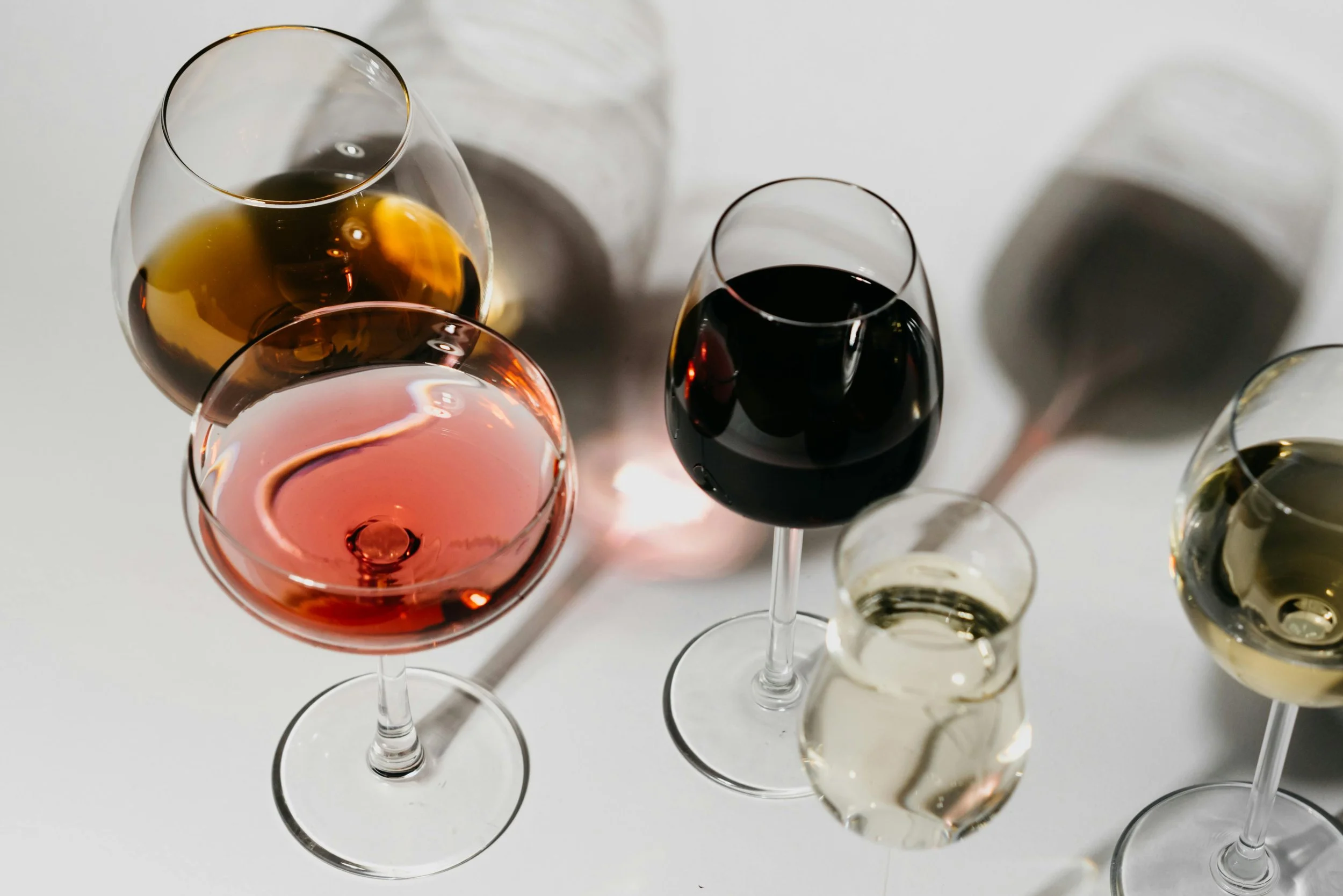
Choosing wine as a gift can feel deceptively tricky. It’s elegant, useful and easy to wrap, but it can also carry a strange pressure. What if they prefer red? What if they know more about wine than you do? What if you accidentally choose something too casual, too obscure or too expensive-looking?
The good news is that a thoughtful wine gift doesn’t need to be complicated. The aim isn’t to prove your sommelier-level knowledge. It’s to choose a bottle that feels considered, appropriate and enjoyable for the person receiving it. Sometimes that means selecting a familiar favourite. Sometimes it means choosing something with a sense of occasion, such as Leeuwin Estate Art Series Chardonnay, which carries enough presence to feel special without needing a long explanation.
Start With the Occasion
A personal wine gift starts with context, not tasting notes. Think about the moment the wine’s for. Is it a birthday dinner, a thank-you gift, a housewarming, a client gesture or a bottle for someone to cellar? The occasion should guide the tone. A relaxed barbecue calls for something generous and approachable. A milestone celebration can justify a more premium bottle. A corporate gift should feel polished, versatile and easy to appreciate.
Read the Recipient, Not the Label
Next, consider the recipient’s habits. You don’t need to know their entire drinking history. Small clues are enough. Do they usually order crisp whites, rich reds, sparkling wine or something adventurous? Do they enjoy classic labels, boutique producers or anything with a strong regional story?
If you’ve seen them choose a wine before, start there. If not, think about their broader taste. Someone who likes refined, minimalist design may appreciate a restrained, elegant wine. Someone who loves long dinners and bold flavours may enjoy a fuller red or a textured white.
Choose Quality Over NoveltY
When in doubt, choose quality over novelty. Unusual wines can be brilliant, but they’re riskier as gifts. A rare grape or experimental style may delight the right person, yet confuse someone who simply wants to open a beautiful bottle with dinner. Established producers, respected regions and balanced styles tend to be safer. That doesn’t mean boring. It means the bottle has a better chance of being genuinely enjoyed.
Match the Spend to the Relationship
Price matters, but not in the way people often think. A personal wine gift doesn’t need to be the most expensive bottle in the shop. It should feel proportionate to the relationship and occasion.
For a casual thank-you, a well-chosen mid-range bottle is enough. For a wedding, major birthday, retirement or significant client gift, a more premium selection makes sense. The goal is to avoid extremes: too cheap can feel careless, while too extravagant can make the recipient uncomfortable.
Make the Presentation Feel Intentional
Packaging can do quiet heavy lifting. A bottle in a simple gift box, paired with a handwritten note, immediately feels more thoughtful.
The note doesn’t need to be poetic. A line like “I thought this would be perfect for your next long lunch” adds warmth and makes the gift feel chosen rather than grabbed on the way over. If you know they enjoy cooking, mention a dish it might suit. If it’s for a celebration, keep the message focused on the occasion rather than the wine itself.
Think About the Meal It Might Join
Food pairing is another easy way to personalise the choice. For someone who loves seafood, roast chicken, creamy pasta or soft cheeses, a quality Chardonnay can be a smart pick. For someone who grills, entertains often or enjoys slow-cooked dishes, a Cabernet, Shiraz or Bordeaux-style blend may be more fitting. For celebratory moments, sparkling wine or Champagne rarely feels out of place. You’re not just gifting a bottle; you’re gifting a future occasion.
Don’t Make It About Your Own Taste
It also helps to avoid making the gift too much about your own taste. A wine you love may not be the right wine for someone else. Good gifting requires a little restraint. Ask yourself: would this suit them, their habits and the moment? That question is more useful than chasing the highest rating, the trendiest label or the most elaborate backstory.
Keep Wine Knowledge in Perspective
For recipients who know wine well, subtlety is usually better than showing off. Choose a respected producer, a strong vintage where relevant, or a bottle with provenance. Enthusiasts tend to appreciate care, not theatrics. For recipients who don’t know much about wine, accessibility matters more. Choose something polished and pleasurable, with enough reputation to reassure them that it’s worth opening.
The Simple Rule for a Better Wine Gift
A simple framework can make the decision easier: match the bottle to the occasion, the style to the person, and the presentation to the relationship. That’s usually enough. You don’t need to decode every tasting note or compare dozens of vintages.
The best wine gifts feel effortless because the thinking behind them is invisible. The recipient sees a bottle that suits the occasion, feels generous and gives them something to enjoy. That’s the sweet spot: considered, but not overworked. Personal, but not fussy. Memorable, without making the whole thing feel like an exam.