
Designing the Kind of Café People Quietly Add to Their Routine
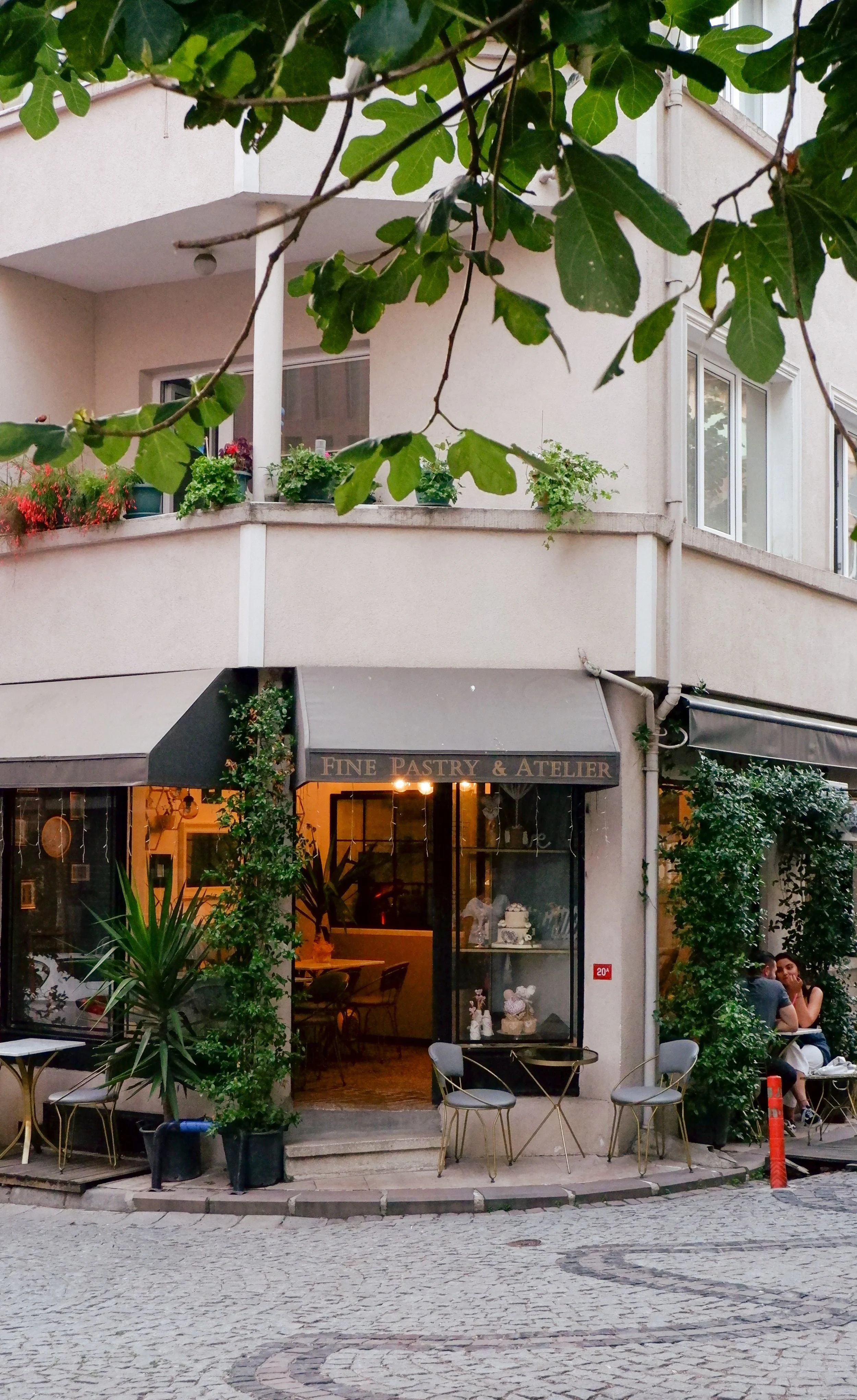
Some cafés become part of people’s lives without making a big fuss about it. They’re the places people drift into before work, the places they choose for a casual meeting, the places they recommend with a simple, “It’s got a nice feel.” That kind of loyalty isn’t built on coffee alone, even if the coffee needs to be good. It usually comes from the whole experience: the lighting, the layout, the pace of service, the noise level, the small details that make someone feel comfortable enough to stay a little longer.
One of the biggest parts of that experience is the way the space is furnished. Chairs that scrape awkwardly, tables that wobble, cramped walkways, or furniture that looks great but doesn’t survive the daily rush can all quietly work against the atmosphere you’re trying to create. For café owners, furnishing cafes with quality commercial furniture is less about filling a room and more about shaping how customers move, sit, gather, linger, and return.
Comfort Is Part of the Menu
People might come in for a flat white, a quick lunch, or a slice of cake they definitely weren’t planning to order, but they also notice how the space feels once they sit down. A chair doesn’t have to be overly plush to be comfortable, and a table doesn’t have to be oversized to feel practical, but everything needs to suit the way real people use the venue.
A solo customer with a laptop needs enough table space to feel settled without taking over half the room. Two friends catching up need seating that doesn’t rush them out the door. A family stopping in after sport or school needs furniture that can handle movement, crumbs, bags, and the occasional bumped chair. When the furniture matches the rhythm of the café, the whole place works better.
Layout Can Change the Energy of a Room
A café can have beautiful finishes, great branding, and a strong menu, but if the layout feels awkward, customers will feel it straight away. Tables placed too close together can make conversations feel exposed. Seating that blocks the counter can create unnecessary congestion. Outdoor areas that look inviting but don’t function in changing weather can become wasted space.
The trick is to think about the venue as a living, moving environment rather than a static room. Staff need clear paths. Customers need natural places to pause, order, wait, sit, and leave. Regulars may have their favourite corners, while first-time visitors need the space to feel easy to understand without anyone explaining it to them.
Durability Shouldn’t Mean Boring
Commercial café furniture has a tough job. It has to look good, support the brand, and put up with constant use, all while being easy to clean and simple to rearrange when needed. That doesn’t mean the final result has to feel plain or overly practical. In fact, the best café interiors often strike a balance between personality and performance.
Timber finishes can bring warmth. Metal frames can create a clean, urban feel. Upholstered pieces can soften corners or lounge areas. Outdoor chairs and tables can add colour and flexibility, especially for venues that rely on street presence or courtyard seating. The goal is to choose pieces that feel intentional, rather than grabbing whatever happens to fit the floor plan.
A Memorable Café Feels Effortless
Customers usually don’t walk out saying, “That was a well-considered furniture plan.” They say the place felt relaxed, cosy, stylish, spacious, lively, calm, or easy. That’s the quiet power of good design: when it works, people don’t have to think about it.
The Little Details Bring People Back
A successful café doesn’t need to be extravagant. It needs to feel like it knows what it is. The furniture should support the food, the service, the mood, and the kind of customers the venue wants to attract. When those details come together, the café becomes more than a stop for coffee. It becomes part of someone’s routine, and that’s where the real value is.