
What Families Need Most When Planning a Farewell
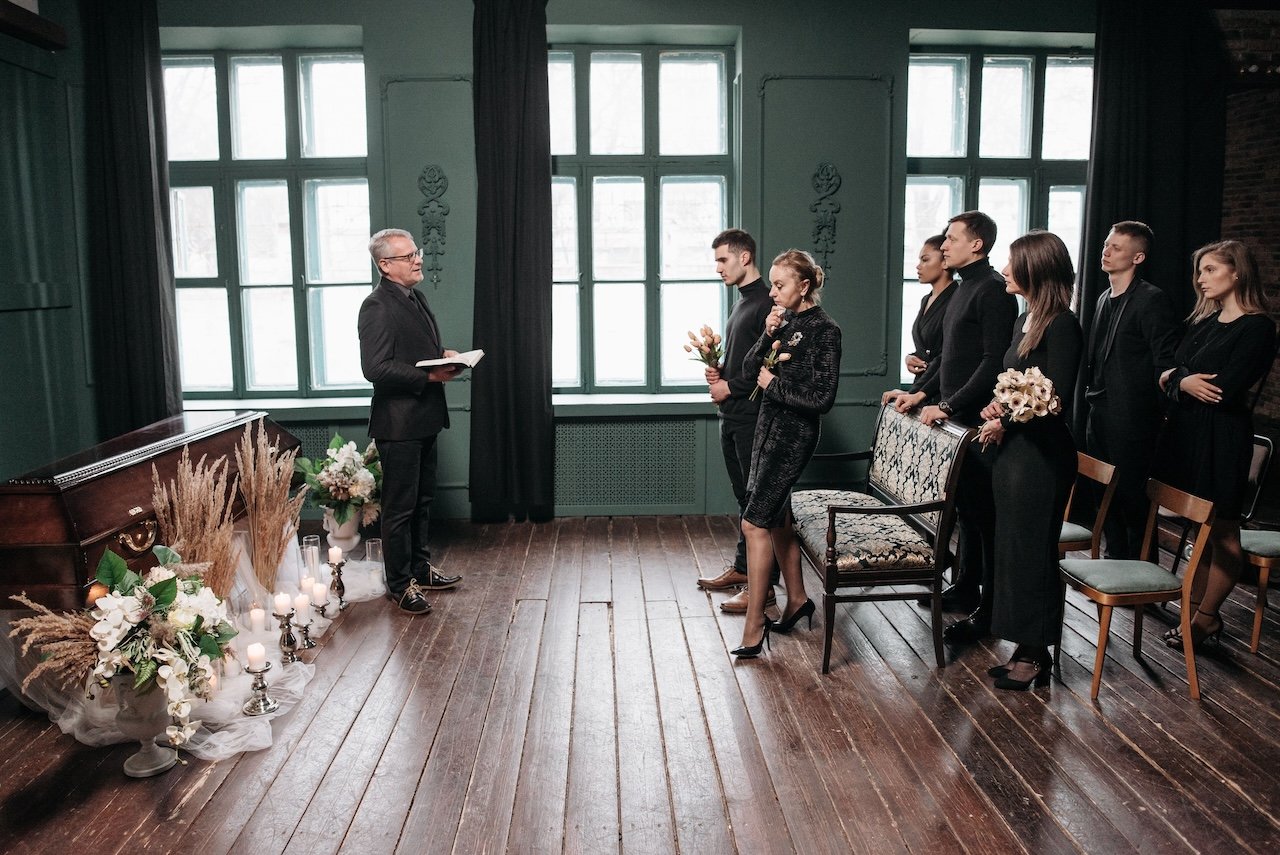
There’s no perfect way to plan a funeral. Even when a death is expected, the days that follow can feel strangely unreal. There are phone calls to make, decisions to consider, paperwork to handle, people to inform, and emotions that don’t arrive neatly or politely. Families are often trying to honour someone they love while also managing details they may never have had to think about before.
In those moments, calm guidance matters. Not the kind that takes over or pushes families toward decisions, but the kind that makes the process feel less overwhelming. For people looking for experienced funeral directors in Sydney, the right support can make a difficult time feel more manageable, more personal, and less rushed.
Every Family Handles Grief Differently
Some families know exactly what their loved one wanted. Others are left guessing. Some want a traditional service with familiar readings, flowers, music, and formalities. Others prefer something quieter, simpler, or more reflective of the person’s personality.
There’s no single version of a meaningful farewell. For one family, it might be a church service followed by a wake. For another, it might be a small gathering by the water, a favourite song, and stories shared between close relatives. What matters is that the farewell feels honest.
That’s why good funeral planning starts with listening. Before choosing flowers, vehicles, venues, or printed booklets, families often need space to talk about who the person was.
The Small Decisions Can Feel Big
When people haven’t planned a funeral before, even straightforward choices can feel emotionally loaded. Burial or cremation. Private or public service. Which photo to use. Who should speak. What music feels right. Whether the tone should be formal, gentle, celebratory, spiritual, or simple.
None of these decisions exist in isolation. They’re all connected to memory, family dynamics, culture, faith, budget, and the wishes of the person who has died. A supportive funeral director helps families move through those decisions step by step, without making them feel like they need to have every answer immediately.
Sometimes the most valuable thing is simply being told, “You don’t have to decide everything at once.”
Personal Details Make a Farewell Feel Real
A funeral doesn’t need to be elaborate to be meaningful. Often, it’s the personal touches people remember most. A favourite colour. A piece of music that would’ve made the person smile. Photos from different stages of life. A reading from a grandchild. A display of items connected to hobbies, work, travel, sport, or family traditions.
These details help shift the service from a formal obligation into something that genuinely reflects a life lived. They give mourners something to connect with, especially when words feel difficult.
A farewell should never feel like it could’ve belonged to anyone. It should feel connected to the person at the centre of it.
Practical Support Gives Families Breathing Room
Alongside the emotional side of planning, there’s also a lot of practical work. Coordinating times, venues, celebrants or clergy, transport, notices, flowers, service sheets, audiovisual elements, certificates, and family requests can quickly become exhausting.
Having someone experienced manage those moving parts allows families to focus on being present. They can spend time with relatives, prepare what they want to say, look through photos, or simply rest for a moment.
That kind of support doesn’t remove grief, but it can reduce avoidable stress.
A Good Farewell Helps People Begin to Process Loss
A funeral is not the end of grief. It doesn’t tie everything up neatly or make loss easier overnight. But it can create an important pause — a moment for people to gather, acknowledge what has happened, honour a life, and begin the slow work of saying goodbye.
Families need care, patience, clarity, and room to make choices that feel right for them. When those things are present, a farewell can become more than an event to get through. It can become a meaningful part of remembering, grieving, and carrying love forward.