
The Small Household Annoyances Smart Homes Are Starting to Solve
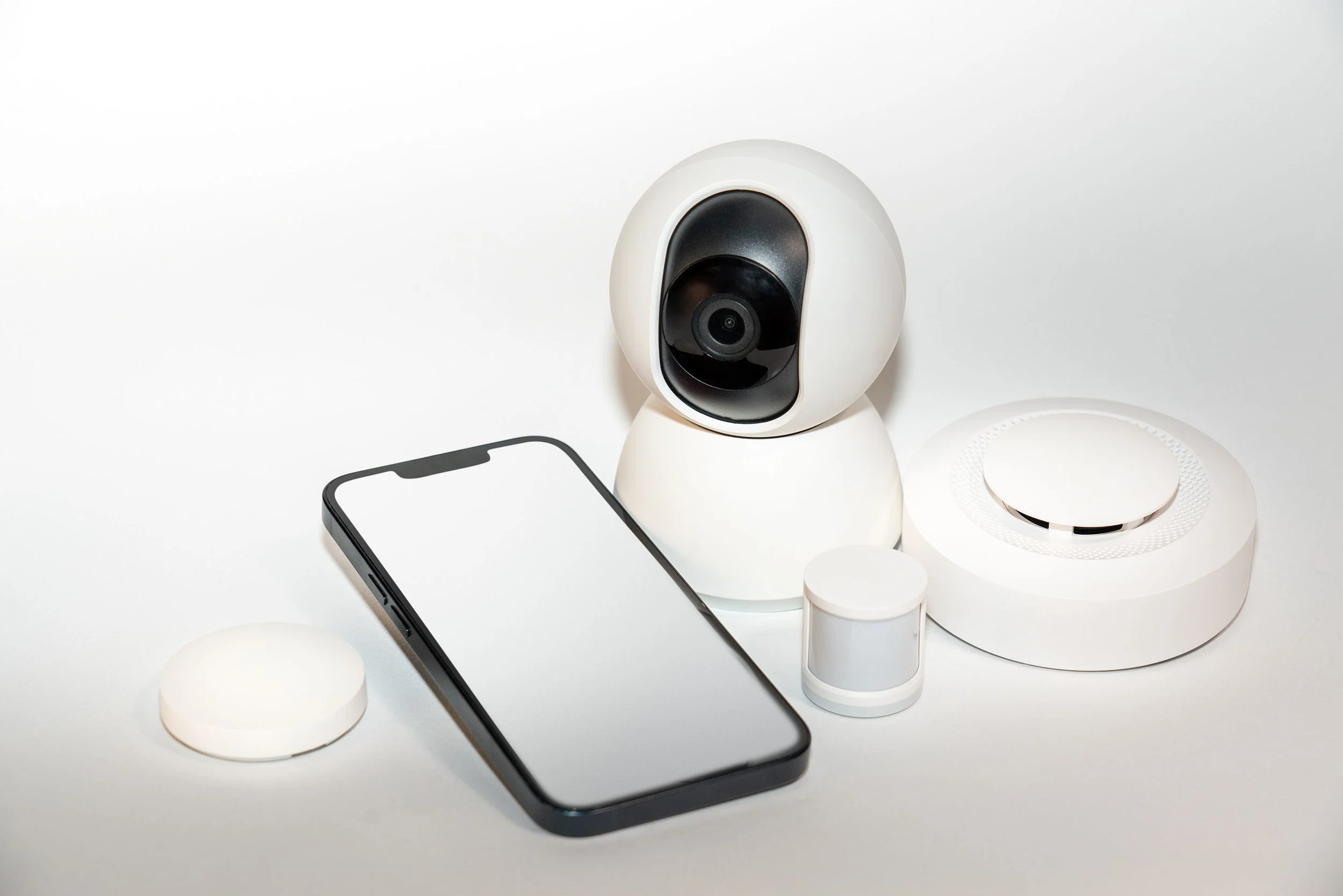
Most people don’t wake up thinking, “I need a smarter home.” They wake up thinking, “Did I leave the heater on?” or “Why is that light still on?” or “I really don’t want to get out of bed just to turn off the lamp.” Smart home technology has become popular not because everyone suddenly wants to live in a futuristic display home, but because it solves small, irritating problems that show up again and again in everyday life.
The best smart home upgrades aren’t always dramatic. They’re often the quiet ones. A timer that switches something off automatically. A sensor that turns on a light before someone reaches for the switch. A plug that lets you control an appliance from your phone. For households curious about simple, flexible automation, SONOFF smart home devices are a useful example of how accessible this kind of technology has become.
The “Did I Leave That On?” Problem
Almost every household has had the moment. You’re halfway to work, already running late, and suddenly you wonder whether the iron, heater, fan, or lamp is still on. Sometimes you know it’s probably fine. Sometimes the thought sits there in the back of your mind until you get home.
Smart plugs and switches can take some of that uncertainty away. Being able to check or control certain devices remotely can turn a lingering worry into a quick tap on a phone. It’s not about overcomplicating life. It’s about removing one tiny source of stress from a busy day.
Lighting That Works With Real Life
Light switches are simple enough, but they’re not always where you need them. Anyone who’s crossed a dark hallway with full hands, walked into a garage at night, or tried to find the bathroom half-asleep knows that lighting can be surprisingly inconvenient.
Smart lighting and motion sensors can make a home feel more responsive. Hallway lights can turn on automatically. Outdoor lights can be scheduled. Lamps can switch off without someone doing the final lap around the house before bed. These changes might seem small, but they can make everyday routines feel smoother.
They can also help households use lighting more efficiently, especially in areas where lights are often forgotten.
Making Older Homes Feel More Modern
Not every home is newly built or wired for the latest technology. Plenty of people live in houses with awkward switches, limited power points, older layouts, or rooms that don’t quite suit modern routines. Smart home devices can offer a practical way to improve how those spaces work without immediately committing to major renovations.
A single smart plug, switch, sensor, or controller can add convenience to a room that otherwise feels a bit behind the times. For renters or homeowners who aren’t ready for big electrical changes, smaller devices can be a useful starting point.
It’s a way of modernising the feel of a home one everyday problem at a time.
Automation Doesn’t Have to Mean Losing Control
Some people hear “automation” and imagine a house taking over, doing things at the wrong time, or becoming impossible to manage when the internet drops out. In reality, useful smart home technology should give people more control, not less.
The best setups are based on normal routines. Lights on at sunset. A fan off after a certain time. Outdoor lighting on when someone arrives home. Devices grouped together so a bedtime routine can happen with one command. These aren’t complicated ideas. They’re just small shortcuts for things people already do.
A good smart home still feels like your home. It simply handles some of the repetitive bits.
Small Upgrades Can Change the Feel of a Day
The interesting thing about smart home technology is that its value often shows up in tiny moments. Not having to go back downstairs to check a lamp. Arriving home to a lit entrance. Knowing an appliance has switched off. Setting a routine once and then forgetting about it.
None of these things are life-changing on their own, but together they can make a home feel calmer and easier to manage. That’s why smart homes are becoming less about novelty and more about practicality.
Most people don’t need every device in the house connected. They just need the right tools in the right places, solving the annoyances they actually notice. When smart home technology does that well, it stops feeling like a gadget and starts feeling like common sense.