
The Quiet Engineering Behind Safer, Stronger Industrial Projects
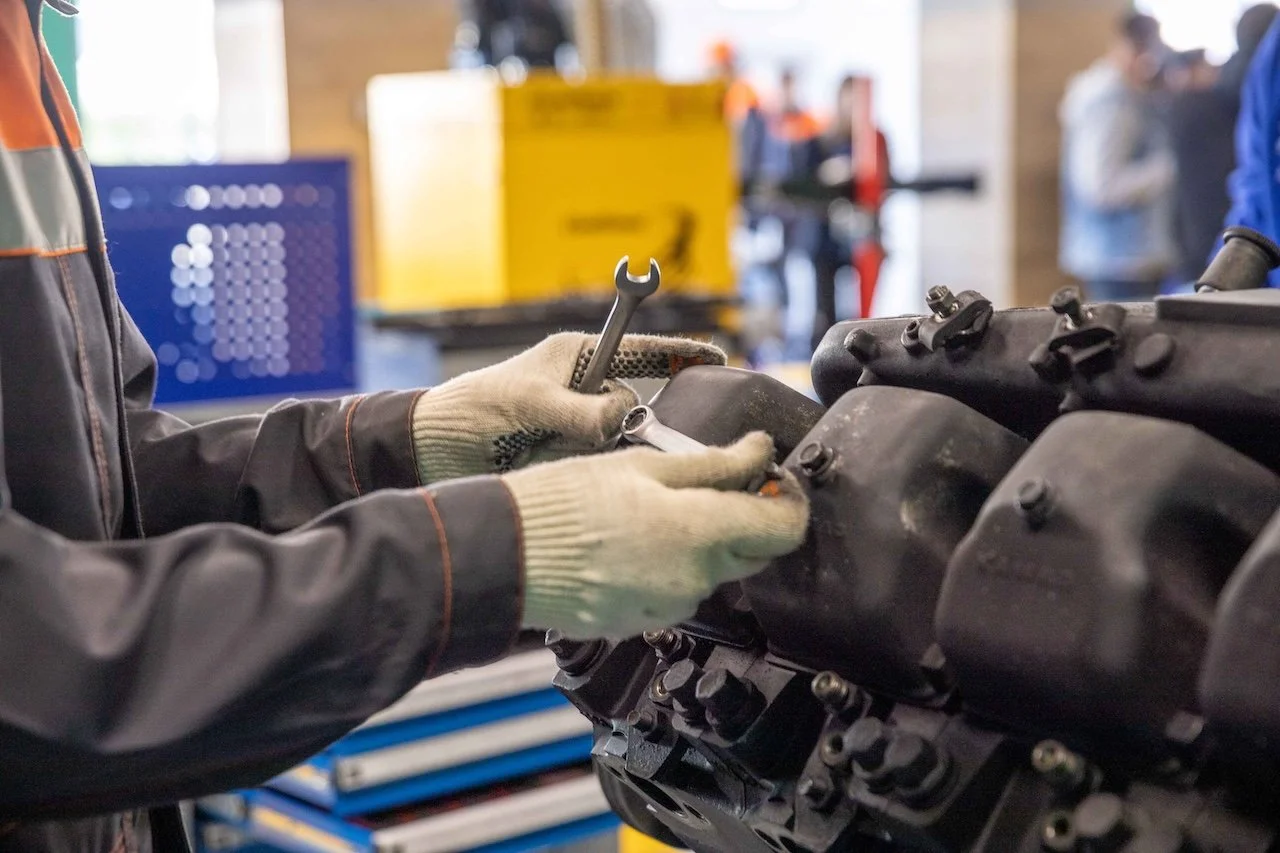
Most people only notice engineering when something goes wrong. A structure fails, a component wears out too quickly, machinery doesn’t perform as expected, or a project gets delayed because the technical details weren’t right from the start. When everything works properly, engineering often disappears into the background.
That’s especially true in industrial settings, where strength, accuracy, safety, and reliability all matter at once. Behind every solid platform, custom fabrication, access system, or structural component, there’s a lot of careful thinking that never makes it into the final photos. For businesses that rely on practical, well-built engineering solutions, Balmoral Engineering Australia belongs naturally in that conversation.
Industrial Work Leaves Little Room for Guesswork
In residential or decorative projects, small imperfections can sometimes be adjusted or hidden. Industrial environments are less forgiving. Materials have to suit the conditions. Measurements need to be accurate. Loads need to be understood. Access points need to be safe. Equipment needs to function under real pressure, not just look right on paper.
That’s why experience matters. Industrial engineering often involves working around existing infrastructure, machinery, site limitations, safety requirements, and tight timeframes. A solution that looks simple from the outside might need careful planning behind the scenes to make sure it performs reliably over years of use.
Safety Starts Long Before Installation
Safety isn’t something that gets added at the end of a project. It needs to be built into the design, material selection, fabrication, and installation process from the beginning.
A walkway needs more than a surface to stand on. It needs grip, drainage, load capacity, fall protection, and logical access. A platform needs to be positioned for the people who’ll use it, not just where it’s easiest to install. A custom component needs to account for how it’ll be handled, maintained, and exposed to wear over time.
When these decisions are made properly, the final result feels straightforward. Workers can move more confidently. Maintenance becomes easier. Risks are reduced before they become incidents.
Custom Solutions Often Make the Difference
Not every industrial project can be solved with an off-the-shelf product. Existing sites are rarely perfect blank canvases. There may be awkward angles, unusual dimensions, legacy equipment, restricted access, or operational requirements that call for a tailored approach.
That’s where custom engineering can add real value. Instead of forcing a generic solution into a complicated space, the work can be designed around the actual site. This can improve safety, reduce downtime, extend equipment life, and help teams operate more efficiently.
The best custom work doesn’t feel overcomplicated. It simply fits the problem better.
Reliability Has a Long Tail
A well-engineered solution keeps paying for itself long after the project is complete. It reduces maintenance headaches, prevents repeated fixes, and gives teams confidence that the structure or equipment will do what it’s meant to do.
Poor work, on the other hand, tends to create a trail of small problems. A platform needs modification. A part wears out early. A fit isn’t quite right. A safety issue gets flagged later. These things cost time, money, and trust.
Industrial projects often run on tight schedules, and unreliable engineering can interrupt everything around it.
Good Engineering Is Practical, Not Flashy
The strongest engineering work isn’t always dramatic. Sometimes it’s a better bracket, a cleaner weld, a safer access point, a more durable material choice, or a smarter way to solve a recurring site issue.
That practical thinking is what makes industrial projects safer and stronger. It respects the people who’ll use the finished work every day. It understands that durability matters. It recognises that a project isn’t successful just because it was completed, but because it continues to perform once everyone has packed up and left the site.
Good engineering might be quiet, but its impact is felt every time a workplace runs safely, smoothly, and without unnecessary interruption.