
The Biggest Myths About Building on Sloping Blocks—Debunked
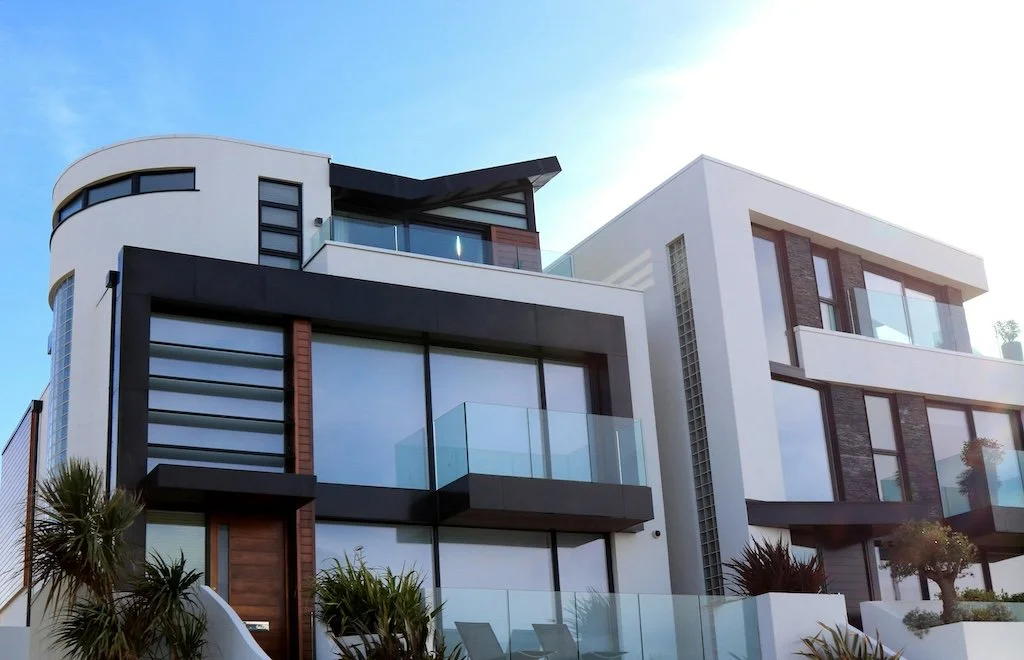
Building on a sloping block often feels daunting for homeowners—and understandably so. From concerns about soaring costs to worries about unstable structures, the myths surrounding sloping sites can make the process seem more complicated than it actually is. But with the right expertise, especially from sloping block builders crafting Melbourne homes, your difficult-looking block may turn out to be one of the biggest design opportunities you’ll ever have.
Below, we break down the most common myths about sloping block construction and reveal the truth behind each one.
Myth 1: “Sloping Blocks Are Always More Expensive to Build On.”
Yes, building on an incline may come with some additional considerations, but that doesn’t automatically mean the final build will blow the budget. Modern engineering techniques, thoughtful design planning, and the right construction approach can make sloping sites surprisingly cost-effective.
Split-level homes, for example, often reduce the need for expensive excavation. Smart orientation and considered design can even cut long-term energy costs. The truth? Many homeowners end up saving money by working with the slope rather than against it.
Myth 2: “You’ll Need Extensive Excavation.”
One of the biggest misconceptions is that steep blocks must be carved into flat pads before construction can even begin. In reality, experienced builders know that good design allows the home to follow the landscape—not erase it.
By embracing the slope, architects can incorporate features like:
· Multi-level living zones
· Terraced outdoor spaces
· Elevated decks with views
· Under-home storage or garage spaces
Not only does this reduce excavation, but it also enhances the home’s character and functionality.
Myth 3: “Sloping Blocks Are Structurally Unsafe.”
People often assume that sloping land equals instability—but modern construction standards say otherwise. With proper geotechnical assessments, engineered retaining walls, and quality foundations, homes built on slopes can be just as stable and long-lasting as those on flat land. In fact, many of Australia’s most sought-after hillside suburbs were built on slopes decades ago and remain structurally sound today.
Myth 4: “Design Options Are Limited.”
Some homeowners worry that a sloping block will restrict their creative freedom. The opposite is usually true. Sloping blocks offer opportunities for dramatic architectural features that flat blocks simply can’t provide.
These include:
· Floor-to-ceiling windows that capture views
· Split-level interiors with natural zoning
· Impressive entrances using staircases or floating walkways
· Light-filled designs that make clever use of elevation
A skilled designer can unlock possibilities that turn a tricky block into a one-of-a-kind home.
Myth 5: “Building on a Slope Causes Drainage Problems.”
Good drainage is crucial on any site—sloped or flat. When done correctly, a sloping block often improves drainage because water naturally flows away from the property.
Professional builders use strategies such as:
· Retaining walls with integrated drainage
· Smart site grading
· Stormwater management systems
· Permeable landscaping choices
When well-designed, sloping block homes can handle even heavy rainfall with complete confidence.
Myth 6: “Sloping Homes Won’t Suit Families.”
Many buyers assume that split levels or terraced designs are impractical for families. Yet families often prefer them because the natural separation between living zones creates better flow and privacy.
Kids’ bedrooms can be positioned on one level, parents’ spaces on another, and communal living areas on a third—resulting in a home that feels balanced and connected without being cramped.
Myth 7: “Bushfire or Wind Exposure Makes It Too Risky.”
Another misconception is that elevated or sloping locations face excessive fire or wind hazards. While some sloping sites may require specific bushfire or wind-rating solutions, these are easily addressed by seasoned designers.
Bushfire-resistant materials, compliant construction methods, strategic landscaping, and engineered bracing systems ensure safety and compliance without compromising the home’s aesthetic.
The Truth: Sloping Blocks Are an Opportunity, Not a Burden
Far from being a disadvantage, sloping sites allow for inspired architectural design, stunning views, and uniquely tailored living environments. With the right team guiding the process, homeowners can embrace the natural landscape and create a home that feels intentional, modern, and full of character.
If you’re considering building on a slope, working with specialists who understand the complexities—and the possibilities—will make all the difference. A well-designed sloping block home isn’t just structurally sound; it’s often more beautiful, more efficient, and more personalised than anything a flat site could offer.