
How Smarter Home Tech Is Changing Everyday Living
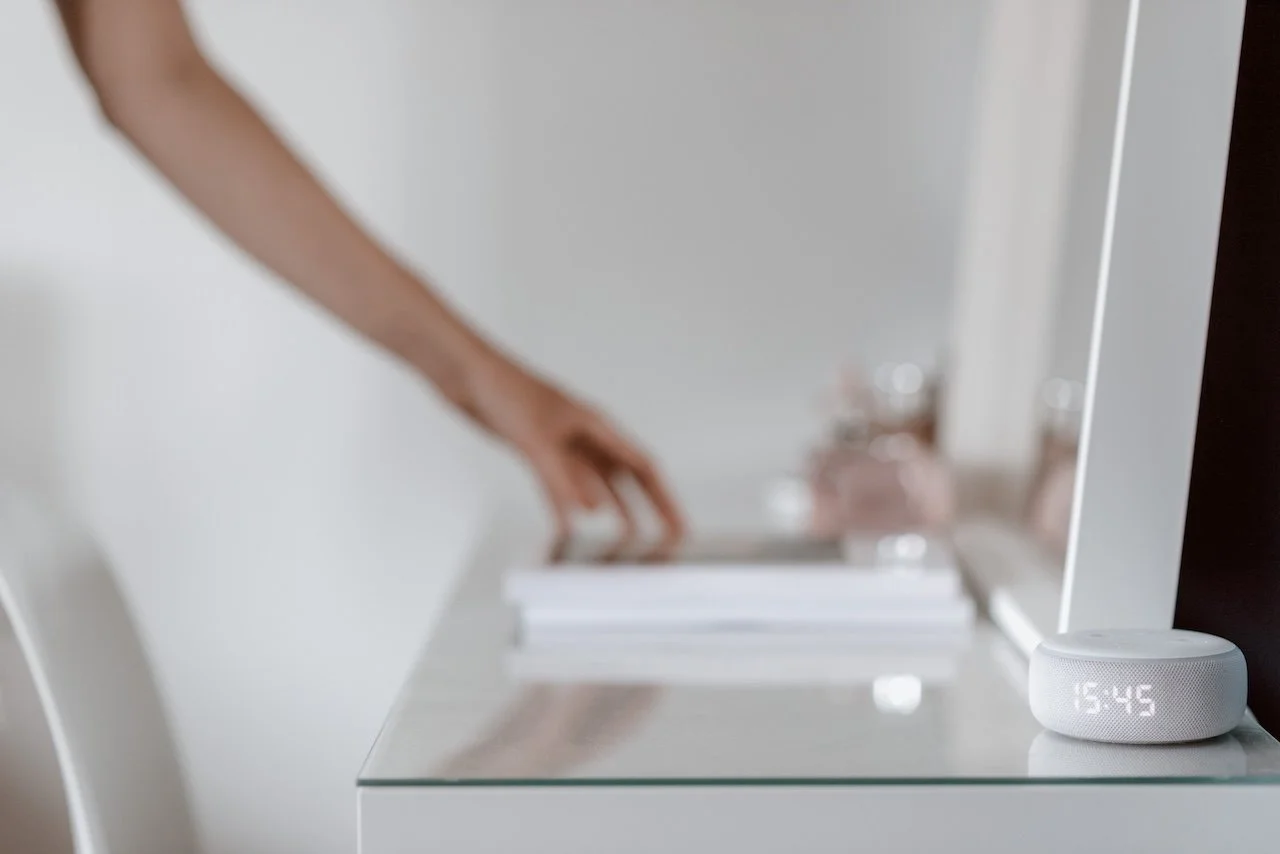
Not that long ago, the idea of a “smart home” sounded a bit futuristic. It brought to mind houses that could talk back, fridges that ordered milk, and lights that responded to dramatic voice commands. For most people, it felt like something interesting, but not exactly essential.
That’s changed. Today, smart home technology is much less about showing off and much more about making everyday life run a little more smoothly. It’s the light that turns on before you reach the hallway. The air conditioner you can switch off from your phone after realising you left it running. The doorbell that lets you see who’s outside when you’re nowhere near home. It’s practical, quiet convenience — and that’s why more households are paying attention to brands and suppliers like SmartHome Australia.
The Best Tech Blends Into the Background
The most useful home technology usually isn’t the kind you notice all the time. In fact, the real win is when it becomes part of your day without demanding much thought. A motion sensor in a pantry, automated blinds in a sunny room, or a smart lock for a busy household can solve tiny frustrations that add up over time.
That’s the appeal. You don’t need to rebuild your entire home or turn every room into a showroom. For many people, it starts with one practical upgrade. Maybe it’s lighting. Maybe it’s security. Maybe it’s heating and cooling. Once that first piece makes life easier, the rest starts to make more sense.
Convenience Is Only Part of the Story
It’s easy to talk about smart homes in terms of comfort, but there’s another side to it: control. A connected home gives people more visibility over what’s happening, whether they’re inside, at work, or away for the weekend.
For families, that might mean checking whether the garage door was left open. For shift workers, it might mean setting lights to come on before arriving home late. For older homeowners, it could mean creating a safer environment with better lighting, alerts, and simple automation that reduces unnecessary movement around the house.
These aren’t gimmicks. They’re small, practical ways to make a home feel more responsive to the people living in it.
Energy Use Is Getting Smarter Too
With energy costs always on people’s minds, smart home technology can also help households become more aware of how they use power. Smart plugs, timers, sensors, and connected climate control systems can make it easier to avoid waste without constantly thinking about it.
You might not notice one appliance running longer than it needs to, but a smart system can help reveal patterns. Maybe the heater is kicking in too early. Maybe outdoor lights are staying on all night. Maybe devices are sitting in standby for no good reason. Once people can see those habits clearly, they’re often easier to change.
It Doesn’t Have to Be Complicated
One reason some homeowners hesitate is the fear that smart technology will be difficult to install, manage, or troubleshoot. Nobody wants a home that feels like it needs an IT department. But modern systems are becoming more user-friendly, and many products are designed to work through simple apps, voice assistants, or automated schedules.
The key is choosing technology that suits the household, rather than buying gadgets for the sake of it. A small apartment, a family home, and a holiday property will all have different needs. Good smart home planning starts with real routines, not a pile of devices.
Homes Are Becoming More Personal
The most interesting thing about smart home technology is that it allows a house to behave less like a fixed space and more like a flexible one. Lighting can shift depending on the time of day. Security can adapt when people are away. Entertainment, heating, cooling, and access can all be adjusted to match how people actually live.
That doesn’t mean every home needs to be fully automated. It simply means homeowners now have more choice. They can decide where convenience matters, where safety matters, and where a little extra control would make the day easier.
In the end, smart home technology isn’t really about the gadgets. It’s about creating homes that feel more comfortable, efficient, secure, and responsive. And when it’s done well, it doesn’t feel futuristic at all — it just feels like the house is finally keeping up.