
Designing an Exhibition That Ages Well in Photos and Memory
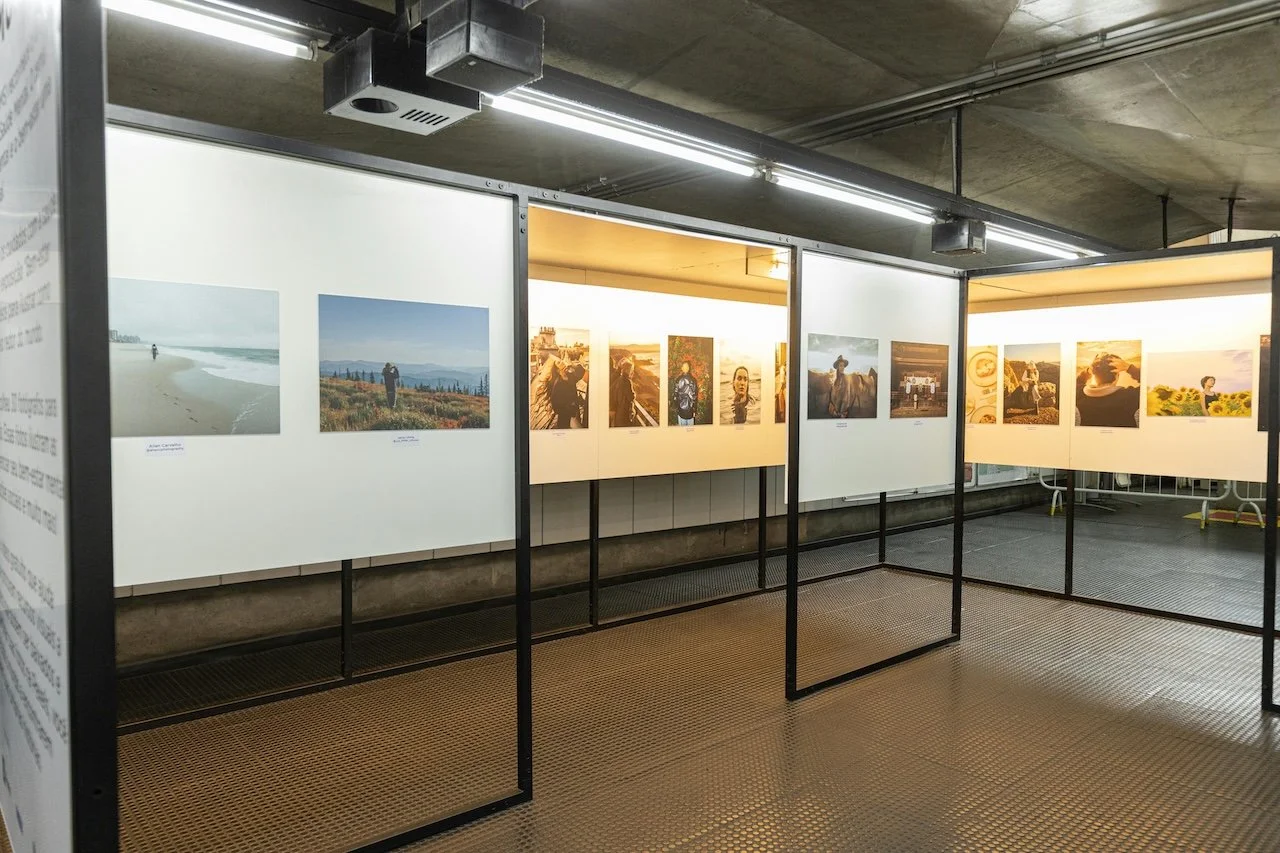
Designing an exhibition isn’t just about making an impact on opening day. The most successful exhibitions are the ones that still look compelling in photographs years later and remain vivid in the minds of visitors long after they’ve walked away. In an age where exhibitions live on through social media, websites, press coverage and personal memories, designing something that ages well is both an art and a strategy.
Here’s some tips for how to create an exhibition that stands the test of time—visually, emotionally and experientially.
Think Beyond Trends
Design trends come and go quickly. What feels cutting-edge today can look dated surprisingly fast in photos taken only a few years later. While it’s tempting to lean heavily into the latest colours, fonts or materials, exhibitions that age well usually prioritise clarity, balance and restraint. This doesn’t mean avoiding contemporary design altogether—it means using trends sparingly and anchoring your exhibition in timeless principles such as strong composition, thoughtful spacing and cohesive storytelling.
Prioritise Cohesive Visual Storytelling
An exhibition that ages well tells a clear story. Every element—graphics, layout, furniture and lighting—should feel like part of a single narrative rather than a collection of disconnected ideas.
Early in the planning stage, consider how visitors will move through the space and what emotional journey you want them to experience. When this narrative is well considered, photographs of the exhibition naturally capture a sense of purpose and flow, rather than just isolated design elements.
This is also where practical decisions matter. Choosing to hire furniture for exhibitions can help maintain a consistent, professional aesthetic without being locked into pieces that may date quickly or clash with future concepts.
Use Neutral Foundations with Intentional Accents
Designs that photograph well over time often rely on neutral base colours—soft whites, warm greys, natural timbers or muted blacks. These foundations provide longevity and allow your content to remain the hero.
Accent colours, textures or statement pieces can then be layered in strategically. By keeping these accents purposeful rather than overwhelming, your exhibition avoids feeling trapped in a specific design era when revisited in photos years later.
Lighting is Everything (Especially for Photos)
Poor lighting is one of the fastest ways to age an exhibition prematurely. Overly harsh lighting, uneven illumination or heavy colour casts can make even the most thoughtful design look dated or amateur in photographs. Aim for lighting that is:
Even and flattering across key areas
Adjustable to suit different times of day or events
Designed to highlight focal points without overwhelming the space
Well-planned lighting not only enhances the in-person experience but ensures the exhibition photographs cleanly, consistently and professionally.
Design for Human Interaction
People are central to how exhibitions are remembered. Spaces that encourage visitors to pause, sit, engage and interact tend to live longer in memory—and in photos. Consider:
Comfortable seating zones that invite reflection
Open layouts that allow natural gathering
Interactive elements that encourage participation
When people feel at ease, their photos feel authentic rather than staged. These candid moments are often what give an exhibition lasting emotional value.
Avoid Overcrowding the Space
One of the most common mistakes in exhibition design is trying to show too much at once. Overcrowded walls, excessive signage or too many focal points can overwhelm visitors and quickly date the exhibition visually. Negative space is your ally – giving elements room to breathe helps visitors absorb the content and ensures that photos remain clean, legible and visually appealing over time.
Consider How it Will Live Online
Long after an exhibition ends, its digital footprint often remains—on websites, social media, portfolios and press articles. Designing with this in mind helps future-proof your work. Ask yourself:
Will this still look strong on a website in five years?
Do photos clearly communicate the concept without explanation?
Are there clear hero shots that represent the exhibition as a whole?
Designing with longevity in mind ensures the exhibition continues to work for you well beyond its physical lifespan.
Focus on Meaning, Not Just Aesthetics
Ultimately, exhibitions that age well are remembered for how they made people feel. A visually stunning space without emotional resonance is often forgotten quickly, no matter how impressive it looked at the time. By grounding your design in purpose, clarity and human experience, you create an exhibition that not only photographs beautifully but remains meaningful long after it’s gone.
Ready to get started?
Designing an exhibition that ages well isn’t about playing it safe—it’s about being intentional. With thoughtful choices around layout, lighting, furniture and storytelling, you can create a space that continues to resonate in photos and memory for years to come.